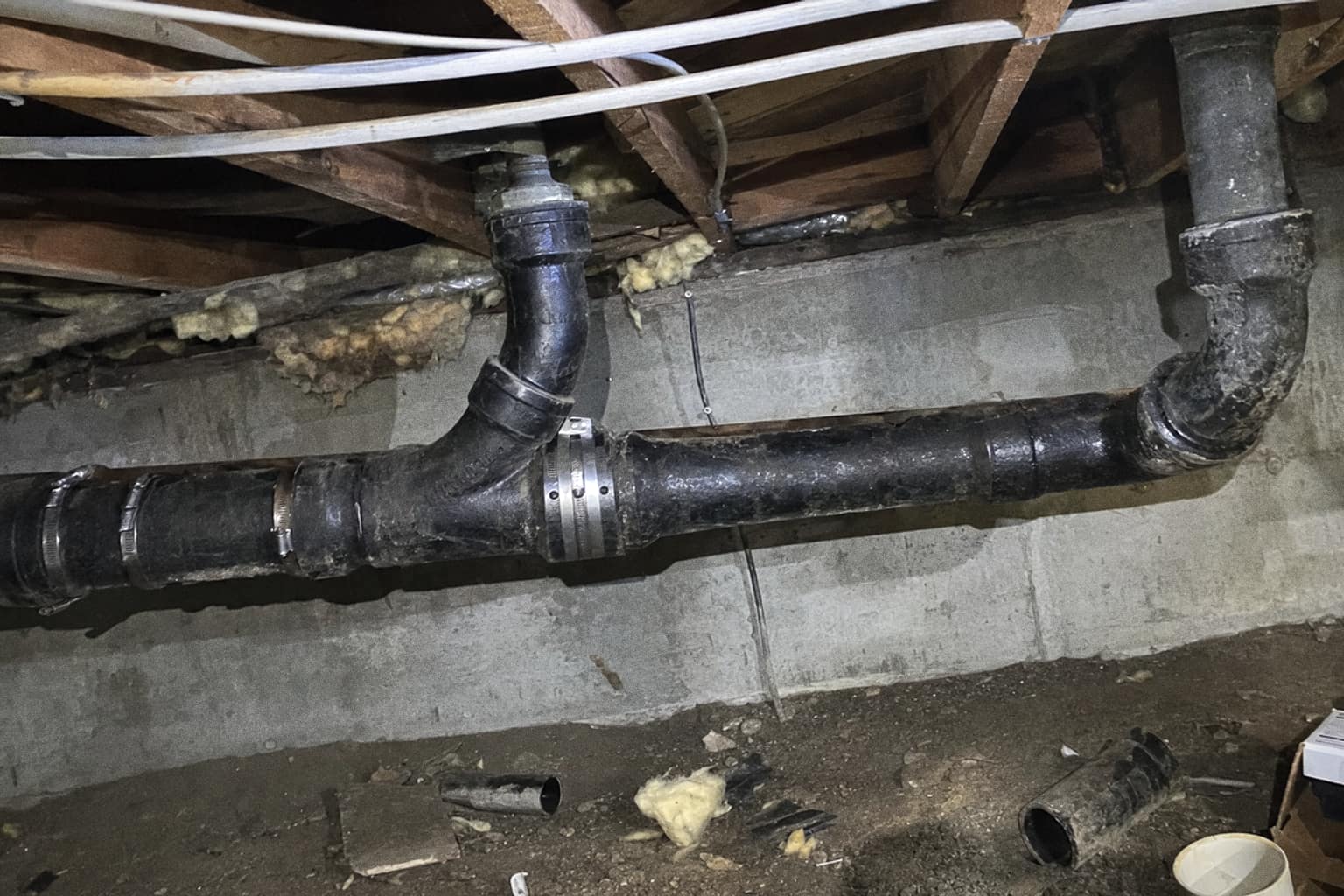
This is the question I get asked most often by people who are serious about becoming licensed plumbers but don't have years on a job site yet. The answer isn't "no way"—it's "here's the path." Let me walk you through exactly how it works.
The Standard C-36 Experience Requirement
First, let's be clear on what you're working toward. California requires four years of full-time plumbing experience to qualify for the C-36 license. That's 8,000 hours of actual work in the trade, documented and verifiable.
But here's the important part: experience and education are not the same thing in the CSLB's eyes, and they know that. They built in a pathway for people who have formal education in plumbing.How the Education Waiver Works
The CSLB allows you to waive up to two years (4,000 hours) of experience if you have completed approved plumbing education. This means:
- With the education waiver: You need only 2 years of documented plumbing experience (4,000 hours) plus qualifying education
- Without the education waiver: You need the full 4 years of experience (8,000 hours)
What Education Qualifies?
Not every plumbing class counts. The CSLB is specific. Approved education includes:
- Community college plumbing programs: Most California community colleges offer plumbing curriculum that the CSLB recognizes. Check with your local college to confirm their program is on the CSLB's approved list.
- Vocational/trade schools: Programs accredited by the California Department of Education or similar bodies qualify.
- Apprenticeship programs: If you're in a registered apprenticeship (like through the UA or a merit shop), those hours count and are often the most credible path.
- Online-only certificate programs (unless they're part of an accredited institution)
- Weekend seminars or short courses
- In-house training at a plumbing company, even if thorough
- YouTube or self-study, no matter how comprehensive
Your Real Options Without Experience
If you have zero plumbing experience right now, here's what actually happens:
Option 1: Start an Apprenticeship
This is the most common path for people starting from scratch. You enter a registered apprenticeship program (typically 4-5 years), and the hours you log count toward both the experience requirement and the education requirement.- You earn wages while you learn
- Hours are documented by the apprenticeship program
- Community colleges often partner with apprenticeships, so you get classroom time that counts
- At the end, you're credible to the CSLB because your hours come from a registered program
Option 2: Community College + Two Years of Work
If you don't want to commit to a full apprenticeship, you can:
- Complete a plumbing program at a community college (usually 1-2 years part-time or full-time)
- Work in a plumbing role for two years while the community college hours serve as your education waiver
- Apply for the C-36 after two years
Option 3: Work Experience Without Formal Education
If you take this route, you simply cannot waive any time. You must complete the full four years (8,000 hours) before applying. No shortcuts. This path makes sense only if you're already in the field and didn't formalize your education, or if you're building hours and will pursue education later.
The Exam Component—Don't Overlook This
Here's something that surprises people: qualifying for the exam is only half the battle. The C-36 exam itself tests your knowledge of:
- California Plumbing Code
- Business and Law (contracting, licensing, labor law)
- Safety and OSHA standards
- Estimating and project management
I've seen people qualify on paper but flunk the exam because they thought four years of hands-on work was enough to pass without serious study. With two years of experience, you can't afford that mistake. You need to know the code cold and understand the business side thoroughly.
Timeline and Application Reality
Once you meet the requirements (either 4 years or 2 years + education), here's what happens:
- CSLB Application: Submit your experience verification and education documentation. They verify with your employers and educational institutions. This takes 30-60 days.
- Exam Eligibility: Once approved, you get your exam authorization, valid for one year.
- Exam: Schedule with PSI (the testing vendor). You can typically test within 2-4 weeks of authorization.
- Results: You get your score immediately. If you pass, CSLB issues your license within 5-10 business days.
The Real Conversation
Let me be straight with you: Taking the education waiver because you have no experience is not the "easy way." It's the faster way, but only if you're willing to do the work. You're compressing four years of field knowledge into two years, which means you have to be more intentional about what you learn.If you're between jobs and can commit to community college full-time, plus landing plumbing work part-time, this can work. If you're working a different job and trying to do community college nights and weekends while building plumbing hours, it's doable but demanding.
What won't work: Hoping to take the education waiver, skip hard studying, and pass the exam on instinct. The exam doesn't care that you're newer. It tests the same code and same business knowledge as everyone else.
Next Steps: Know Your Starting Point
Before you commit to a path, get clear on:
- What education programs are actually available and approved near you
- Whether your current job can transition into plumbing work, or if you need a new employer
- How much time you can realistically invest in education while working
- Whether your learning style favors classroom education or apprenticeship
---