

# Trap Seal Protection and Vent Requirements: Essential CPC Section 403 Rules for C-36 Exam Success
Understanding trap seal protection and vent requirements is fundamental to passing the California C-36 plumbing exam. The California plumbing code drainage systems depend entirely on maintaining trap seals that prevent sewer gases from entering buildings while allowing wastewater to flow freely. CPC Section 403 provides the comprehensive framework that all California licensed plumbers must master. In this complete guide, we'll explore the essential trap seal requirements, vent stack sizing, and practical applications of CPC Section 403 to ensure your exam success.Understanding Trap Seals: The Foundation of Drainage Protection
What Is a Trap Seal?
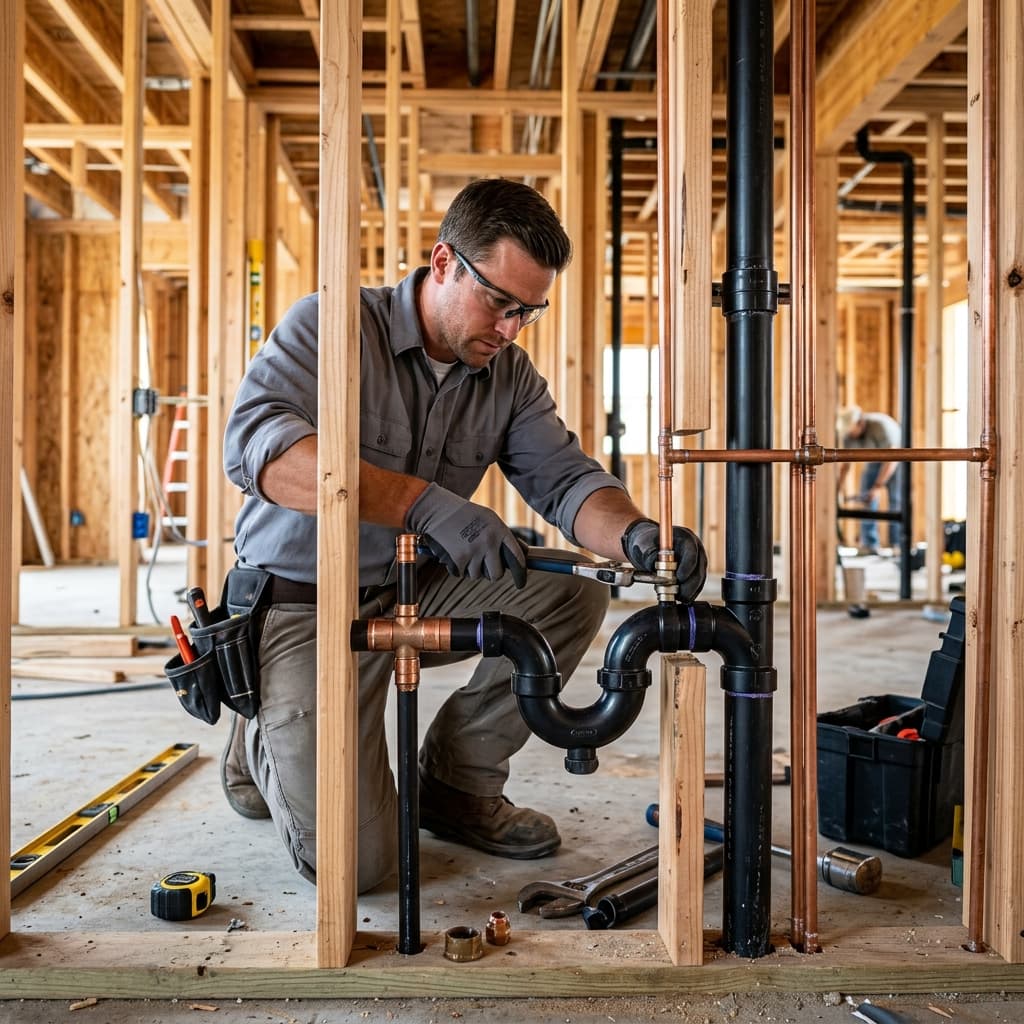
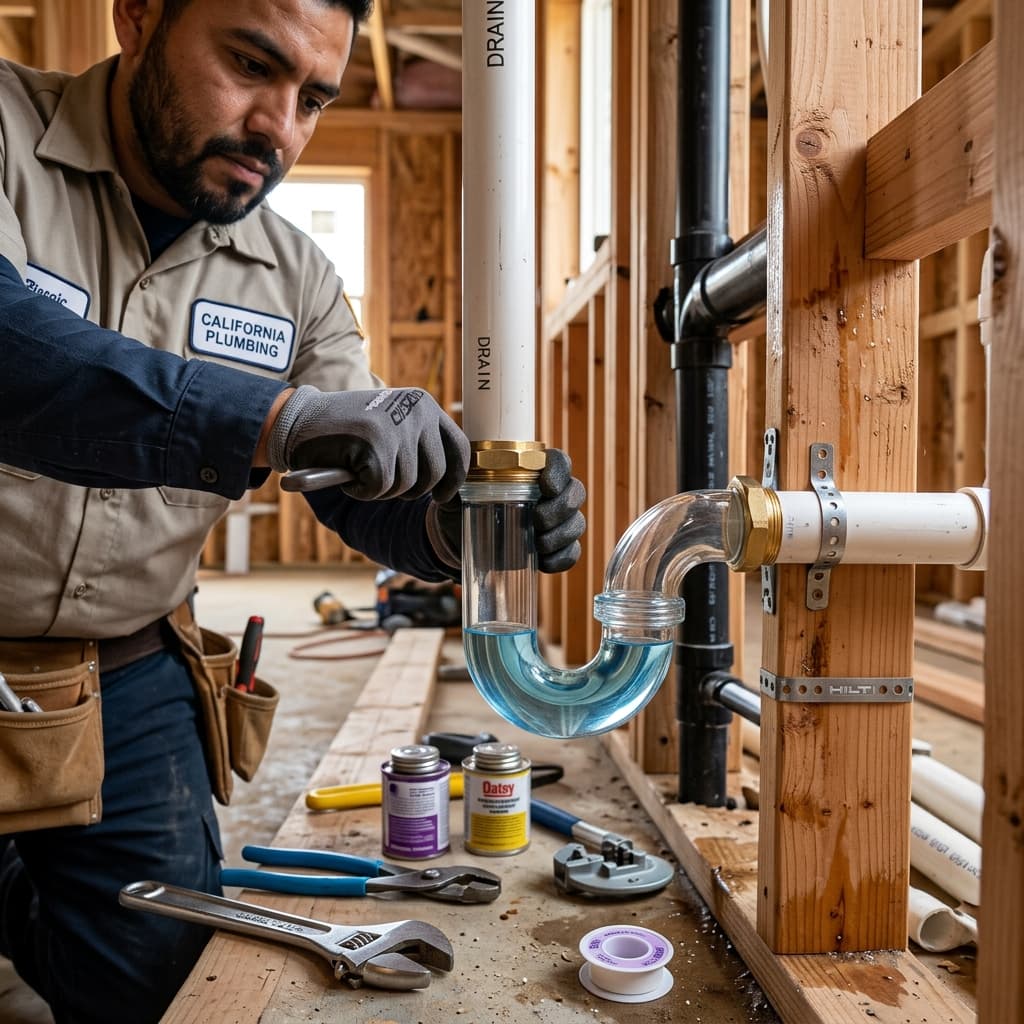
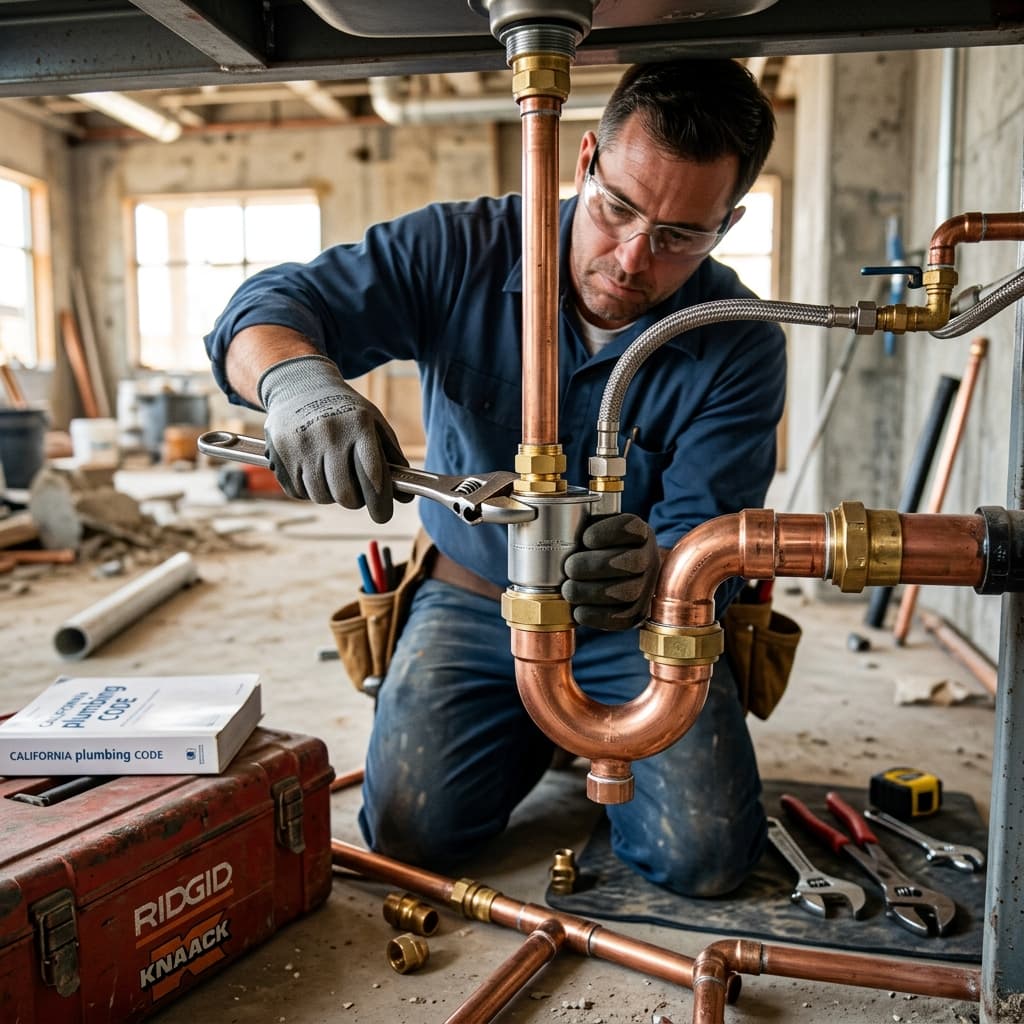
A trap seal is the column of water that remains in a trap after the fixture drains. This water barrier prevents sewer gases, odors, and hazardous vapors from entering the building through drainage piping. According to CPC Section 403.3, all traps must maintain a minimum water seal of 2 inches.
The trap seal serves two critical functions:
- Barrier Protection: Prevents atmospheric siphonage and backflow of gases
- Sanitary Protection: Creates a physical barrier between occupied spaces and the sewer system
Minimum Trap Seal Depth
CPC Section 403.3 explicitly states that trap seals shall not be less than 2 inches and not greater than 4 inches, measured vertically from the lowest point of the seal to the crown weir of the trap.
Exam Tip: Remember the 2-4 inch rule. Seals less than 2 inches are inadequate; seals greater than 4 inches create siphonage problems and trap arm drainage issues.Mechanisms of Trap Seal Loss
Understanding how trap seals fail is essential for C-36 exam success. Three primary mechanisms can compromise trap seal integrity:
1. Siphonage
Siphonage occurs when water is drawn out of the trap by suction created downstream. Two types exist:
Direct Siphonage: Occurs when a trap is too close to a vent opening, causing pressure differentials that pull water from the trap. Indirect Siphonage: Results from inadequate venting of drainage piping, creating vacuum conditions that draw water from nearby traps. CPC Section 403.4 addresses siphonage prevention through proper vent sizing and placement. The code requires that vent pipes be sized according to fixture unit loads to prevent the pressure differentials that cause siphonage.2. Back Pressure (Blow-Out)
Back pressure forces water out of the trap, particularly during periods of high flow or blockages downstream. This occurs when:
- Multiple fixtures drain simultaneously
- Downstream blockages create pressure buildup
- Improper vent sizing prevents air relief
3. Evaporation
Trap seals can be lost through simple evaporation, particularly in:
- Traps serving rarely-used fixtures
- Connections with extended dry periods
- Fixtures in heated spaces with low humidity
CPC Section 403: Trap Protection Devices and Requirements
Trap Arm Slope Requirements
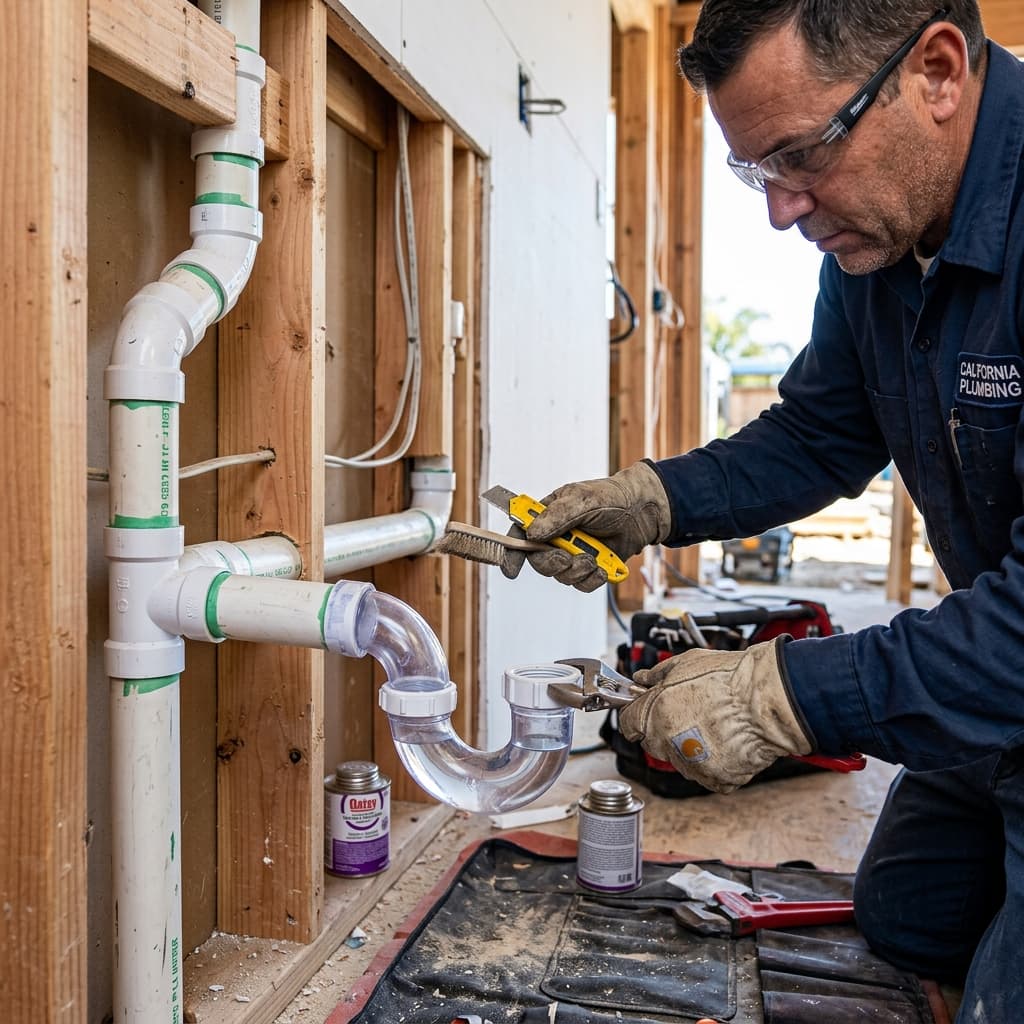
CPC Section 403.2 establishes critical slope requirements for trap arms (the pipe connecting a trap to the drainage system):
- Minimum slope: 1/4 inch per foot
- Maximum slope: 45 degrees from horizontal
Proper slope calculation: For a 6-foot trap arm, minimum drop = 6 feet × (1/4 inch/foot) ÷ 12 inches/foot = 1.5 inches.
Trap Connection Distances
CPC Section 403.2 specifies distance limitations between traps and vents:
- Distance measured horizontally from trap seal to vent stack
- Cannot exceed 2 inches above the trap seal for most fixtures
- Cannot exceed 5 feet on a horizontal run for trap arms 1.5 inches and smaller
- Cannot exceed 10 feet on horizontal runs for trap arms 2 inches and larger
Vent Stack Sizing and Trap Seal Protection
Understanding Vent-to-Trap Relationships
The relationship between vent stack sizing and trap seal protection cannot be overstated. Inadequately sized vents create pressure variations that directly compromise trap seals.
CPC Section 403.6 requires vent sizing based on:
- Drainage fixture unit load (DFU)
- Developed length of the vent
- Type of venting system (individual, common, or stack venting)
Stack Vent Sizing Tables
CPC Section 403.6 references sizing tables that correlate:
- Number and type of fixtures
- Developed vent length in feet
- Minimum vent diameter in inches
Common Vent Requirements
When multiple fixtures share common vents, CPC Section 403.7 establishes that:
- All fixtures must be on the same level or nearly level
- Back vents must connect at or above the fixture flood rim
- Vent sizing must accommodate total DFU load
Trap Protection Devices Under CPC Section 403
Anti-Siphon Trap Seals
For fixtures experiencing frequent siphonage or back pressure, CPC Section 403.9 permits anti-siphon trap seals that include:
- Floating ball mechanisms: Allow air entry during drainage
- Diaphragm-type seals: Admit air while maintaining water barrier
- Spring-loaded check valves: Prevent reverse flow while admitting air
Trap Seals in Special Conditions
CPC Section 403.8 addresses trap seal protection in specific applications:
Floor Drains: Require continuous seal maintenance, often through:- Integral trap designs
- Fill valve connections
- Secondary seal devices
Seal Loss Prevention: Practical Applications
Fixture Spacing and Layout
Proper fixture spacing prevents seal loss through adequate vent access. Critical considerations include:
- Maintaining minimum 2-inch above-seal vent connections
- Avoiding long horizontal runs that restrict air movement
- Preventing upstream fixture discharge from siphoning downstream traps
Drainage Fixture Design
Modern fixture design incorporates seal protection features:
- Integral P-traps with adequate depth
- Built-in air admittance vents
- Extended trap arms that accommodate proper slopes
Building System Integration
The building drainage system must integrate all components to maintain seal integrity:
- Stack vents properly sized per CPC Section 403.6
- Individual vent connections within distance limits
- Adequate trap arm slopes preventing standing water
- No cross-connections between trap arms and vents
Common C-36 Exam Questions on Trap Seals
Understanding typical exam questions helps preparation:
Question Type 1: "A 1.5-inch trap arm serving a kitchen sink extends 8 feet horizontally to a stack vent. Is this configuration permitted?" Answer: No. CPC Section 403.2 limits trap arms 1.5 inches and smaller to 5 feet maximum. This would require either a larger trap arm, closer vent connection, or individual vent. Question Type 2: "What is the minimum trap seal depth required by California plumbing code?" Answer: 2 inches, measured vertically from the lowest point of the seal to the crown weir (CPC Section 403.3). Question Type 3: "Which mechanism would siphon water from a trap with an undersized vent stack?" Answer: Siphonage resulting from inadequate pressure relief. The undersized vent cannot admit sufficient air to replace water flowing through the drainage system.CPC Section 403 Code Requirements Summary
| Requirement | Specification | CPC Reference | |-------------|---------------|---------------| | Minimum trap seal | 2 inches | 403.3 | | Maximum trap seal | 4 inches | 403.3 | | Trap arm minimum slope | 1/4 inch per foot | 403.2 | | Trap arm maximum slope | 45 degrees | 403.2 | | Distance to vent (standard) | 2 inches above seal | 403.2 | | Trap arm max length (1.5") | 5 feet | 403.2 | | Trap arm max length (2"+) | 10 feet | 403.2 |
Integrated Drainage System Design
Successful trap seal protection requires integration across multiple CPC sections:
- CPC Section 422: Fixture unit loads determine vent sizing
- CPC Section 408: Trap and cleanout placement affects seal access
- CPC Section 406: Indirect waste systems prevent seal loss in specific applications
- CPC Section 410: Building drains must accommodate fixture loads without creating backpressure
Practical Exam Preparation Strategies
Study Approach for Trap Seal Questions
- Memorize key numbers: 2-inch minimum seal, 5-foot/10-foot trap arm limits, 1/4-inch slope
- Understand mechanisms: Know how siphonage, back pressure, and evaporation affect seals
- Reference CPC Section 403: Familiarize yourself with the exact code language
- Practice problems: Work through various fixture configurations and vent layouts
Common Trap Seal Mistakes to Avoid
- Confusing trap arm length limits with trap depth requirements
- Miscalculating trap arm slopes
- Assuming all vent types protect all trap seals equally
- Ignoring distance limitations between traps and vents
- Overlooking special protection for rarely-used fixtures
Conclusion
Mastering trap seal protection and understanding CPC Section 403 requirements is essential for C-36 exam success. The California plumbing code drainage system depends entirely on maintaining adequate trap seals through proper vent sizing, fixture spacing, and component selection.Review the key requirements regularly: 2-inch minimum seals, proper trap arm slopes, adequate vent sizing, and distance limitations. These fundamentals form the foundation of drainage system design and appear consistently on California plumbing exams.
Your ability to identify trap seal problems, calculate vent requirements, and apply CPC Section 403 rules demonstrates competence that will serve you throughout your plumbing career.