# Rough-In Inspection Standards and CPC Section 106 Compliance Checklist for C-36 Exam Success
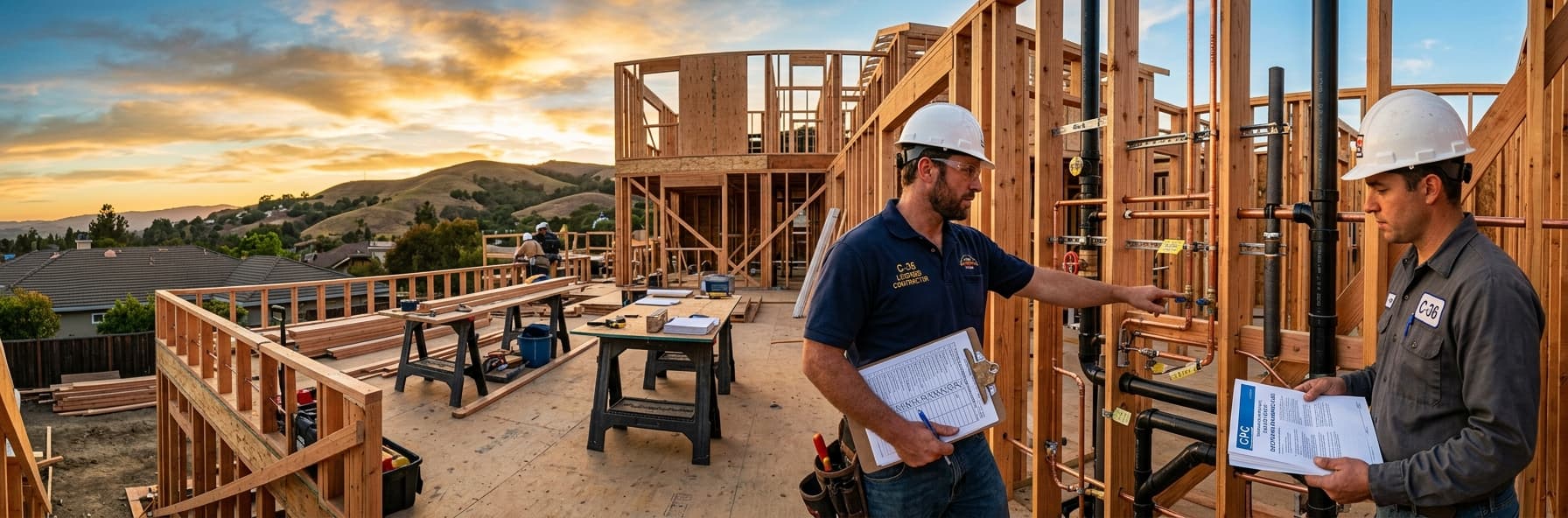
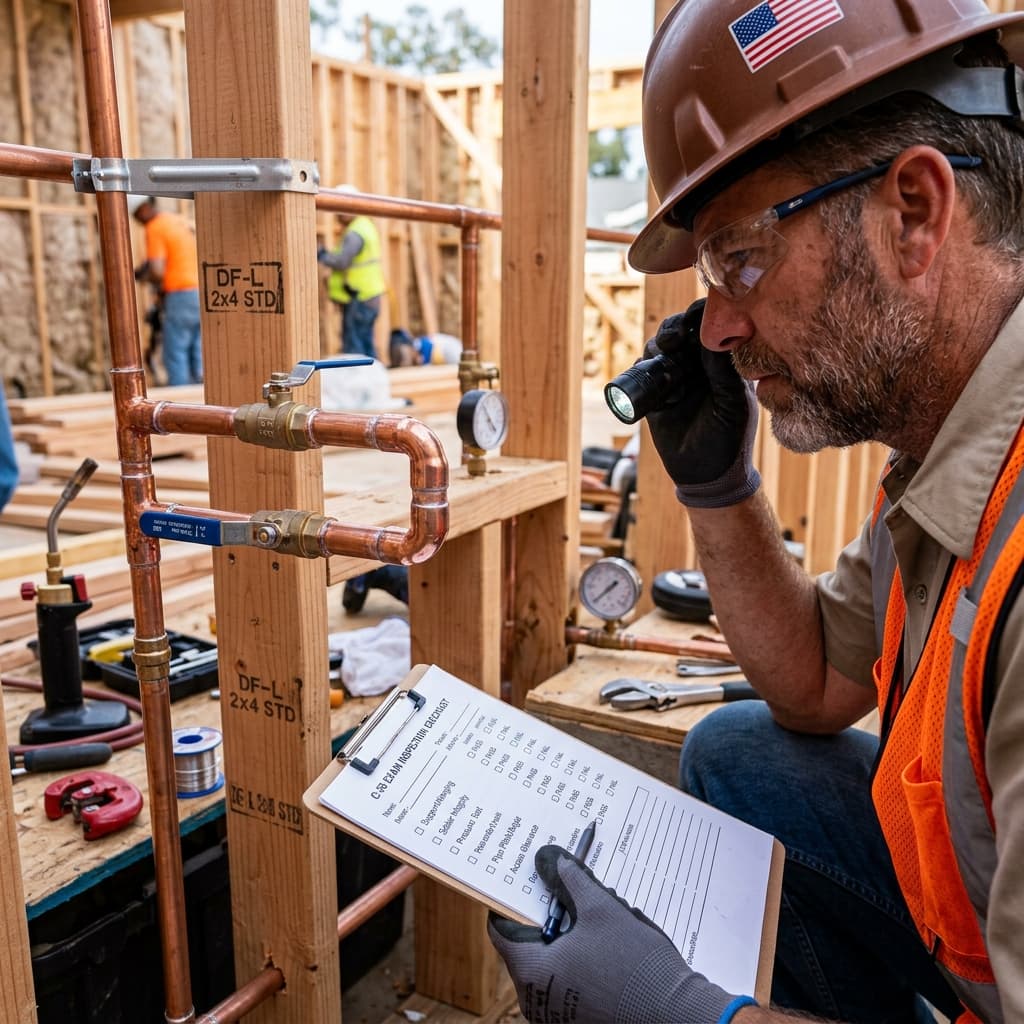
Mastering rough-in inspection California plumbing protocols is essential for C-36 contractor exam candidates. The rough-in phase represents a critical checkpoint where plumbing systems must be thoroughly inspected before walls, ceilings, and floors are closed. Understanding CPC Section 106 requirements and developing a systematic compliance approach will significantly improve your exam performance and professional credibility.
Understanding CPC Section 106: The Foundation of Inspection Standards
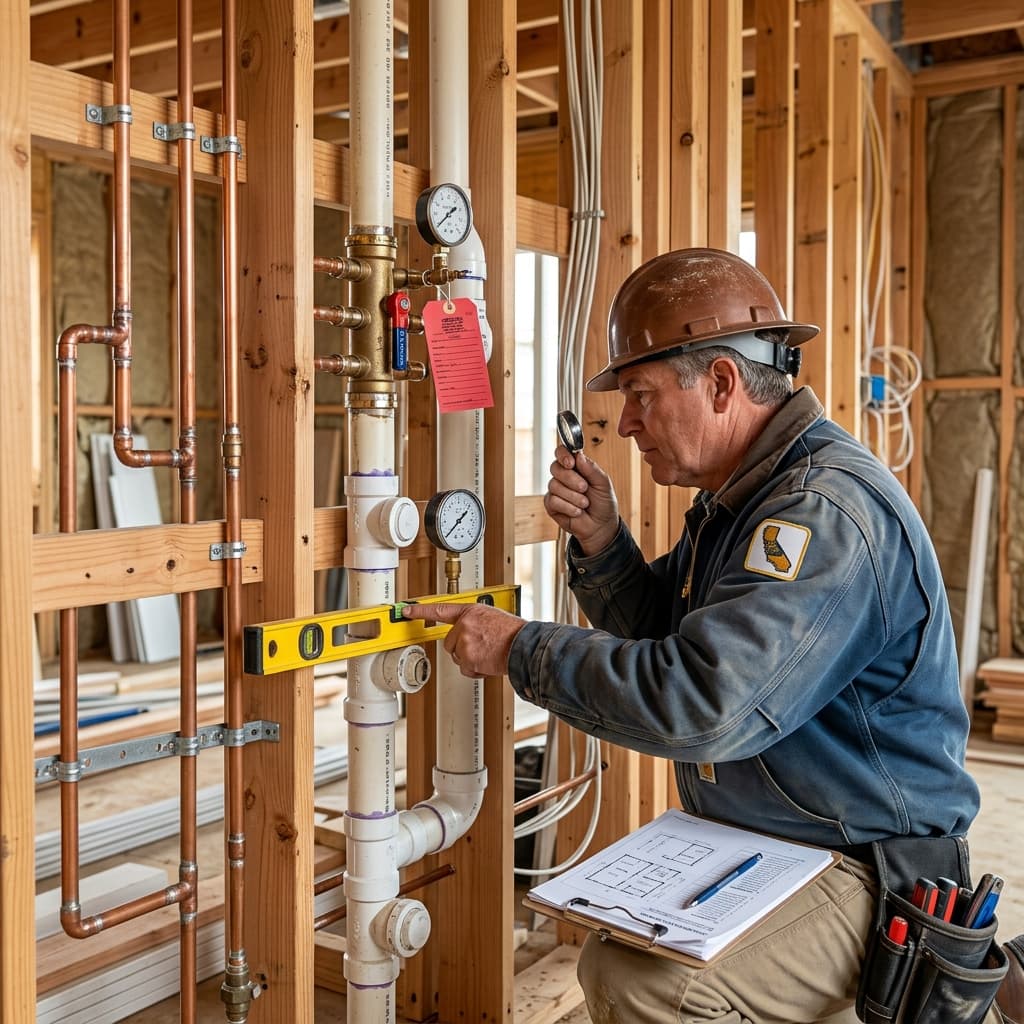
CPC Section 106 forms the backbone of California's inspection requirements and is thoroughly tested on the C-36 exam. This section mandates that all plumbing systems must be inspected by the building official or designated inspector before concealment or backfilling occurs.
What CPC Section 106 Actually Requires
CPC Section 106.1 establishes that every plumbing system must be inspected at specific intervals to verify compliance with code requirements. As a C-36 contractor, you cannot legally conceal any portion of your plumbing system without obtaining approval from the building official. CPC Section 106.2 specifies the inspection requirements before rough-in work is covered. This inspection is commonly called the "rough-in inspection" and includes verification that:- All pipes are properly sized according to demand load calculations
- Water supply lines are correctly positioned and protected
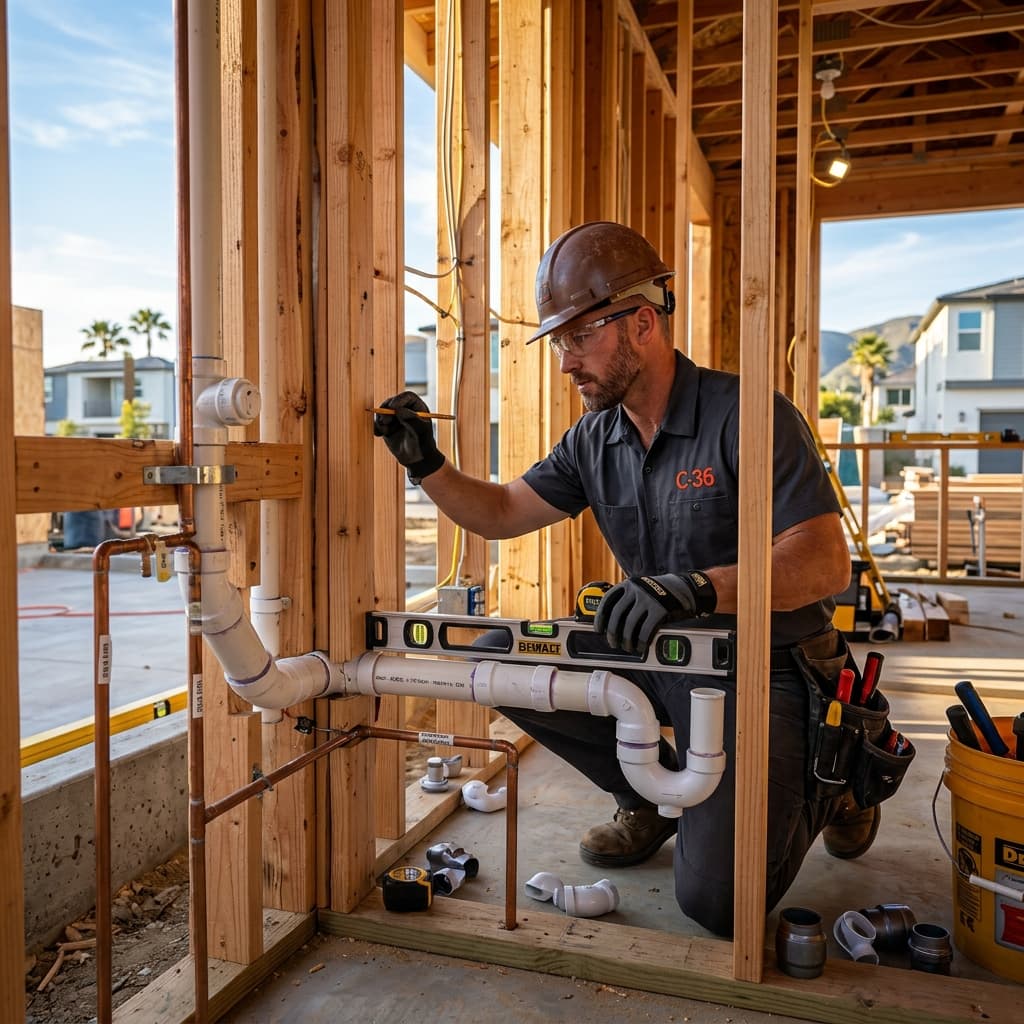
- Drain, waste, and vent (DWV) piping maintains proper slope and clearances
- Pipe supports and hangers are installed at code-required intervals
- All connections are properly made and accessible for future inspection
- Materials meet California plumbing code specifications
The "Right-to-Inspect" Principle
The building official's "right-to-inspect" is absolute. You cannot proceed to the next construction phase without documented inspection approval. This isn't merely a procedural formality—it's a safety mechanism that protects property owners and ensures public health compliance.
Timing of Rough-In Inspections: A Critical C-36 Exam Topic
One of the most frequently tested aspects of CPC Section 106 on the C-36 exam involves when rough-in inspections must occur.Pre-Concealment Requirement
The inspection must occur before any part of the plumbing system is concealed by walls, insulation, flooring, or finishes. This timing requirement appears consistently on exam questions because violations create significant safety and compliance issues. You cannot:- Cover rough-in piping with drywall before inspection
- Install flooring over supply lines without approval
- Backfill trenches containing DWV piping without documented inspection
- Cover connections with insulation before inspection approval
Common Inspection Phases
Most projects involve multiple inspection points:
- Foundation/Slab Inspection - Underground piping and sleeves before concrete pour
- Rough-In Inspection - All above-grade rough plumbing before wall closure
- Final Inspection - After fixtures are installed and system is operational
The C-36 Exam Inspection Standards Checklist
Successful candidates use comprehensive checklists to ensure nothing is overlooked. Here's a detailed breakdown of what building officials and exam proctors expect:
Water Supply System Verification
Pipe Sizing and Material Compliance- Verify all supply pipes are sized correctly using demand load calculations (CPC Section 422)
- Confirm material meets code (copper, PVC, PEX, CPVC, etc.)
- Check that all connections use approved fittings
- Ensure no cross-connections exist between potable and non-potable water
- Supply pressure is between 20-80 PSI per CPC Section 422.1
- Pressure regulators are installed where needed
- Backflow prevention devices are properly installed per CPC Section 608
- Check valves are appropriately located
- All pipes are supported at maximum intervals per CPC Section 424
- Support materials are appropriate for pipe type
- Pipes are accessible for inspection and future maintenance
- Proper clearance from other utilities is maintained
Drain, Waste, and Vent (DWV) System Verification
Slope and Flow Characteristics- Horizontal DWV piping maintains 1/4-inch per foot minimum slope (CPC Section 307.2)
- No sags or standing water traps exist in horizontal lines
- Vertical stacks are properly aligned and supported
- Changes in direction use appropriate fittings
- Each fixture has an approved trap
- Trap seals are properly formed per CPC Section 309.1
- No more than one trap per fixture (except as specifically allowed)
- Crown venting is prevented
- Vent stacks extend through roof properly (CPC Section 906.1)
- Relief vents are installed where required
- Vent pipes are sized correctly per CPC Section 908
- No vent lines terminate into attic spaces improperly
- Individual vents, branch vents, and main vents all configured correctly
Pipe Supports and Hangers
This is a high-frequency exam topic. Building officials scrutinize support systems closely.
Support Spacing Requirements (CPC Section 424):- Copper pipe: 6 feet horizontally, 10 feet vertically
- Plastic pipe (PVC/ABS/PEX): 4 feet horizontally, 10 feet vertically
- Cast iron: 5 feet horizontally, 15 feet vertically
- Steel pipe: 12 feet horizontally, 15 feet vertically
- Supports must be corrosion-resistant when necessary
- No wire or plastic bands unsupported by rigid material
- Hangers must not damage pipe insulation
- Vertical loads must be properly transferred to structural components
Material and Connection Integrity
Correct Fitting Usage- All connections use approved fittings appropriate for material type
- No improper soldering or brazing techniques
- Threading is done with approved materials per CPC Section 605.11
- Compression fittings are used only where appropriate
- Copper pipes are properly cleaned and fluxed before soldering
- Solder joints are smooth and complete
- Threaded connections are wrapped with appropriate tape
- No evidence of leaks at any connection point
Documentation Requirements for Rough-In Inspection Success
The C-36 exam emphasizes that inspection isn't complete without proper documentation.
The Inspection Report
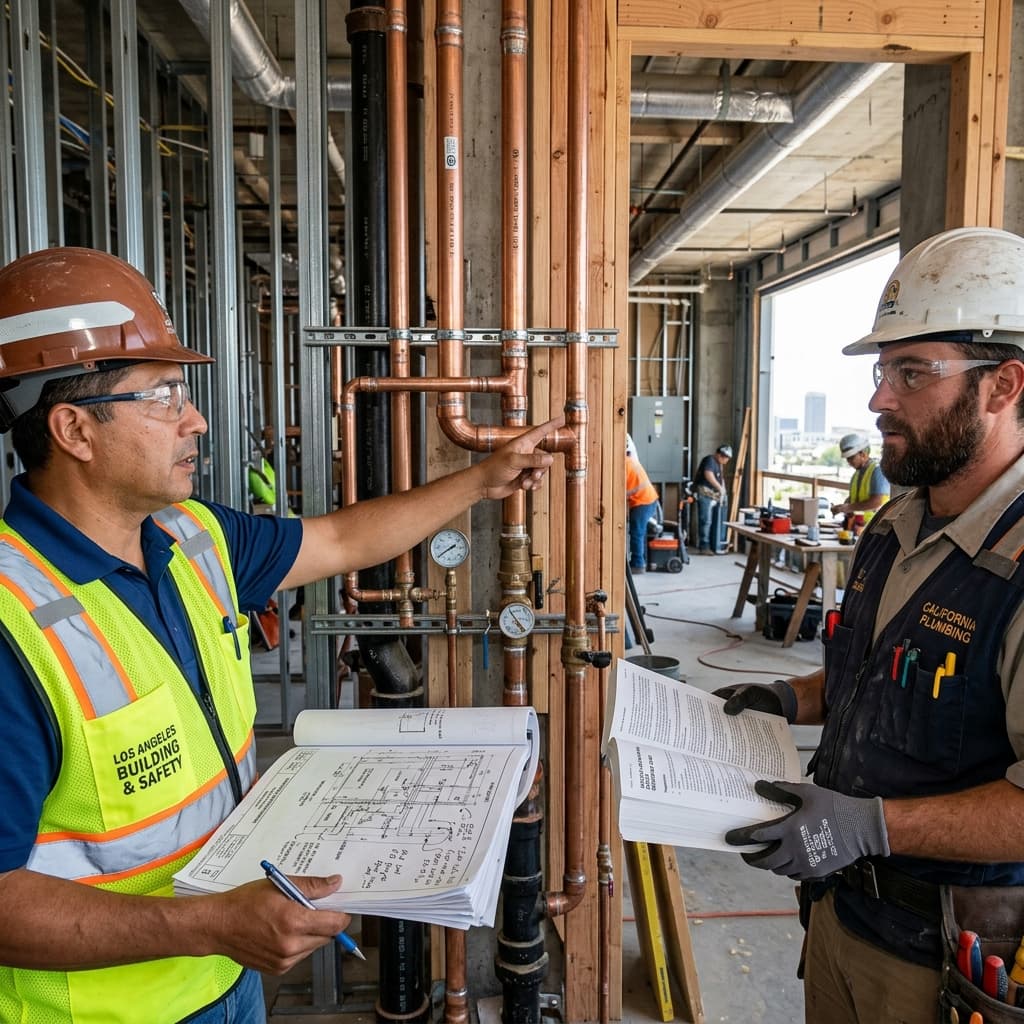
When the building official conducts a rough-in inspection, they complete an official inspection report that includes:
- Project identification (permit number, address, date)
- Inspector name and authority
- Specific items inspected and their compliance status
- Any deficiencies identified and required corrections
- Signature and date
The Contractor's Responsibility
You cannot legally proceed with concealment until the inspection report indicates approval. Many C-36 exam questions test whether candidates understand this responsibility.
Common scenarios on the exam:- Can you cover walls before inspection approval? No
- Can you start fixture installation if rough-in isn't approved? No
- Who bears responsibility for code violations? The license holder (you)
Common C-36 Exam Questions About Rough-In Inspections
To prepare effectively, understand these frequently tested topics:
Question Type 1: Timing Requirements "A plumbing contractor installs DWV piping in a residence. When must the rough-in inspection occur?" Answer: Before any piping is concealed by walls, flooring, or other construction materials. Question Type 2: Code Compliance "What is the minimum slope requirement for horizontal drainage pipes under CPC Section 307?" Answer: 1/4 inch per foot of pipe length. Question Type 3: Support Spacing "How far apart can hangers be installed for horizontal copper water supply pipe?" Answer: Maximum 6-foot intervals per CPC Section 424. Question Type 4: Inspection Authority "Who has the authority to stop construction if plumbing work fails rough-in inspection?" Answer: The building official or designated inspector.Preparing for the C-36 Exam: Section 106 Study Strategy
Mastering the Inspection Process
- Review CPC Sections 106-110 thoroughly - these sections are heavily weighted on Part 2 of the exam
- Create visual flashcards showing proper support spacing for different pipe materials
- Study local amendments - your jurisdiction may have specific requirements beyond the California plumbing code
- Practice with scenario questions involving inspection timing and corrective actions
The Building Official's Perspective
Understanding how building officials approach inspections improves your exam performance. They ask:- Is the work code-compliant?
- Is it safe for building occupants?
- Can it be properly inspected in the future?
- Are all materials approved?
- Are safety margins adequate?
Real-World Application: Why This Matters Beyond the Exam
While passing the C-36 exam is your immediate goal, understanding rough-in inspection standards protects your business long-term.
Avoiding Costly Corrections When you fully understand CPC Section 106 requirements, you catch problems during rough-in instead of during final inspection. A small adjustment during rough-in costs far less than correcting work after walls are closed. Professional Credibility Licensed contractors who demonstrate thorough inspection knowledge earn respect from building officials and customers. This reputation leads to more projects and smoother permit processes. Liability Protection Proper inspection procedures create documentation that protects you if disputes arise. You can demonstrate that work met code requirements at the time of inspection approval.Section 106 Compliance Checklist: Your Quick Reference
Save this checklist for exam preparation and on-the-job reference:
Pre-Inspection Preparation
- [ ] All supply piping sized correctly per demand load
- [ ] All DWV piping sized and sloped correctly
- [ ] All pipe supports installed at maximum required spacing
- [ ] No materials or fittings are defective or damaged
- [ ] All connections are properly made and leak-free
During Inspection
- [ ] Building official has current permit documentation
- [ ] All rough-in work is visible and accessible
- [ ] No work has been concealed without prior approval
- [ ] Contractor is present to answer inspector's questions
- [ ] All noted deficiencies are clearly documented
Post-Inspection
- [ ] Inspection approval is documented in writing
- [ ] Any deficiencies are corrected immediately
- [ ] No concealment work begins without approval
- [ ] Inspection report is filed with building permit
- [ ] Photos document compliance status (recommended)
CPC Section 106 Amendments and Local Requirements
California allows local amendments to the California Plumbing Code. Before exam day, verify if your testing jurisdiction has adopted any amendments to Section 106. The exam questions reflect your local jurisdiction's requirements.
Contact your local building department to request:- Adopted amendments to CPC Section 106
- Inspection procedures and forms
- Required documentation
- Specific local inspection requirements
Final Preparation Tips for Exam Success
- Review actual inspection forms from your local building department - the exam references real procedures
- Attend a rough-in inspection if possible - seeing the process firsthand clarifies many concepts
- Quiz yourself on timing questions - these appear frequently on Part 2
- Understand the "why" behind each requirement - inspection standards exist for safety and code compliance
- Practice with scenarios involving failed inspections and required corrections