# Rough-In Inspection Checklist: CPC Section 106 Requirements and Common Exam Failures
The California plumbing code rough-in inspection process is one of the most critical checkpoints in any plumbing installation. As a C-36 exam candidate, understanding CPC Section 106 requirements isn't just about passing your licensing exam—it's about building a foundation for safe, code-compliant plumbing systems that protect public health and safety. This comprehensive guide walks you through everything you need to know about rough-in inspections under California's plumbing code.
What is a Rough-In Inspection?
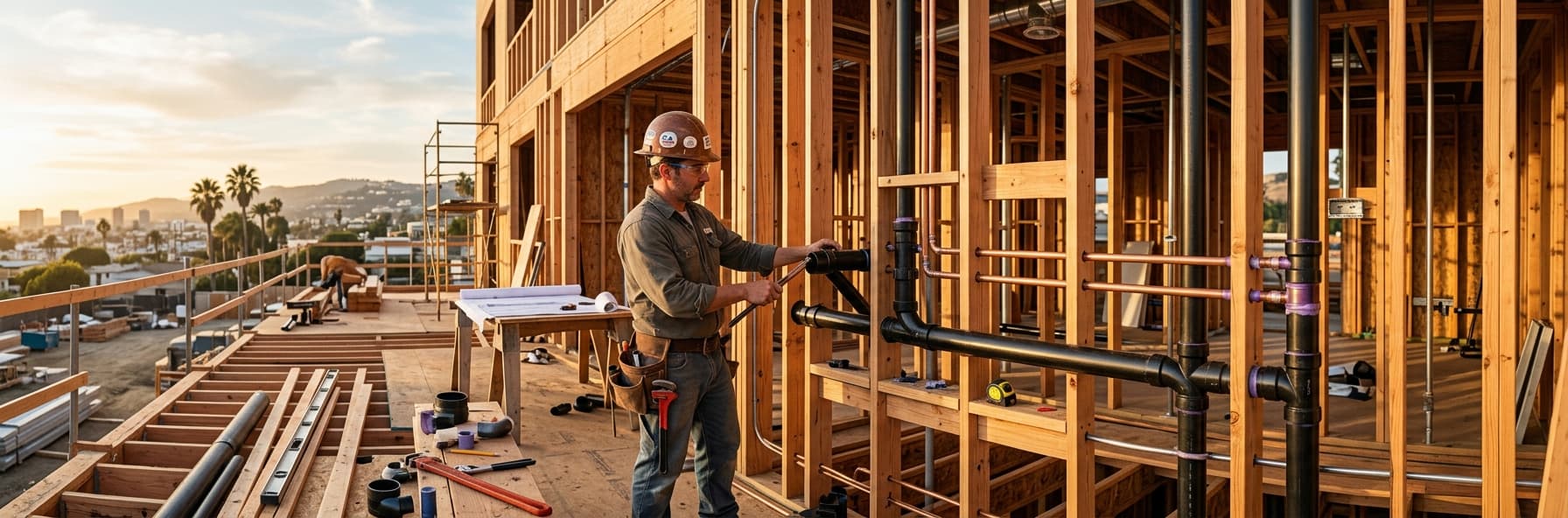
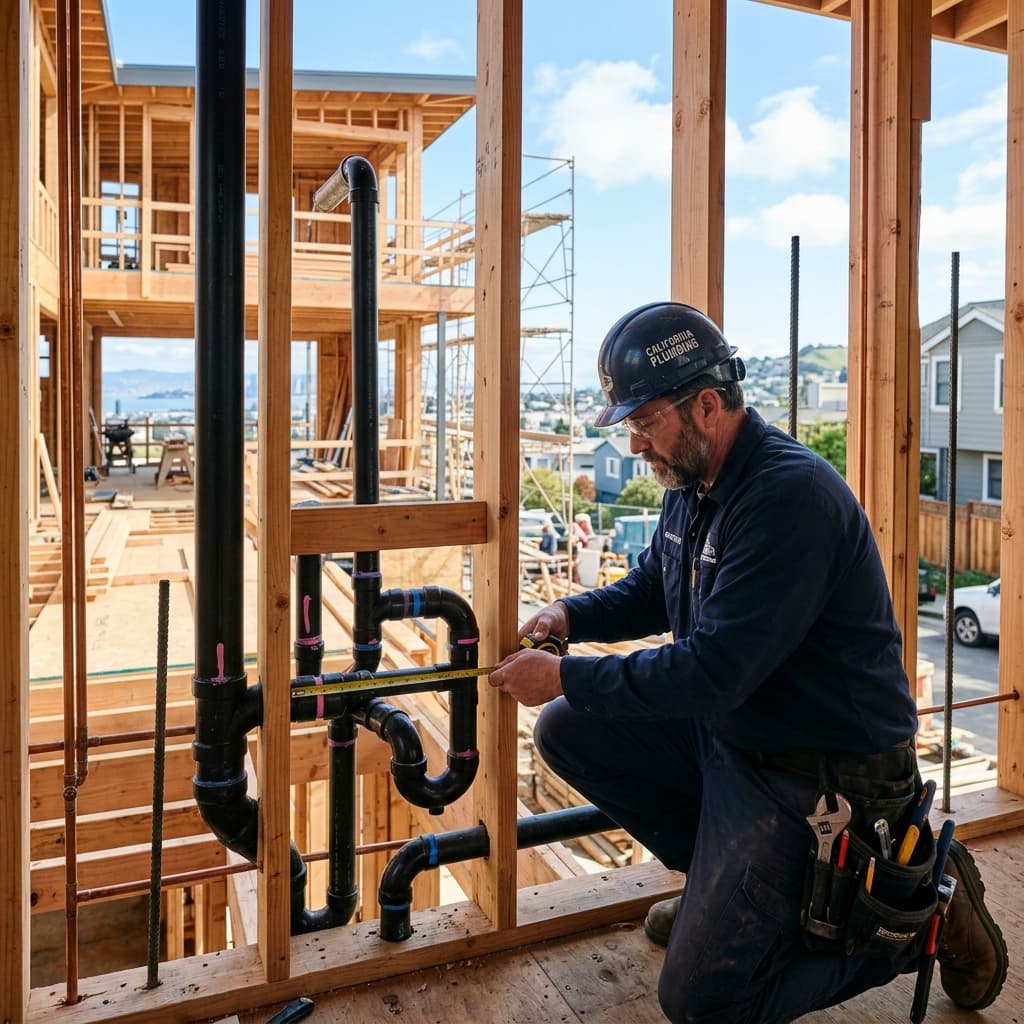
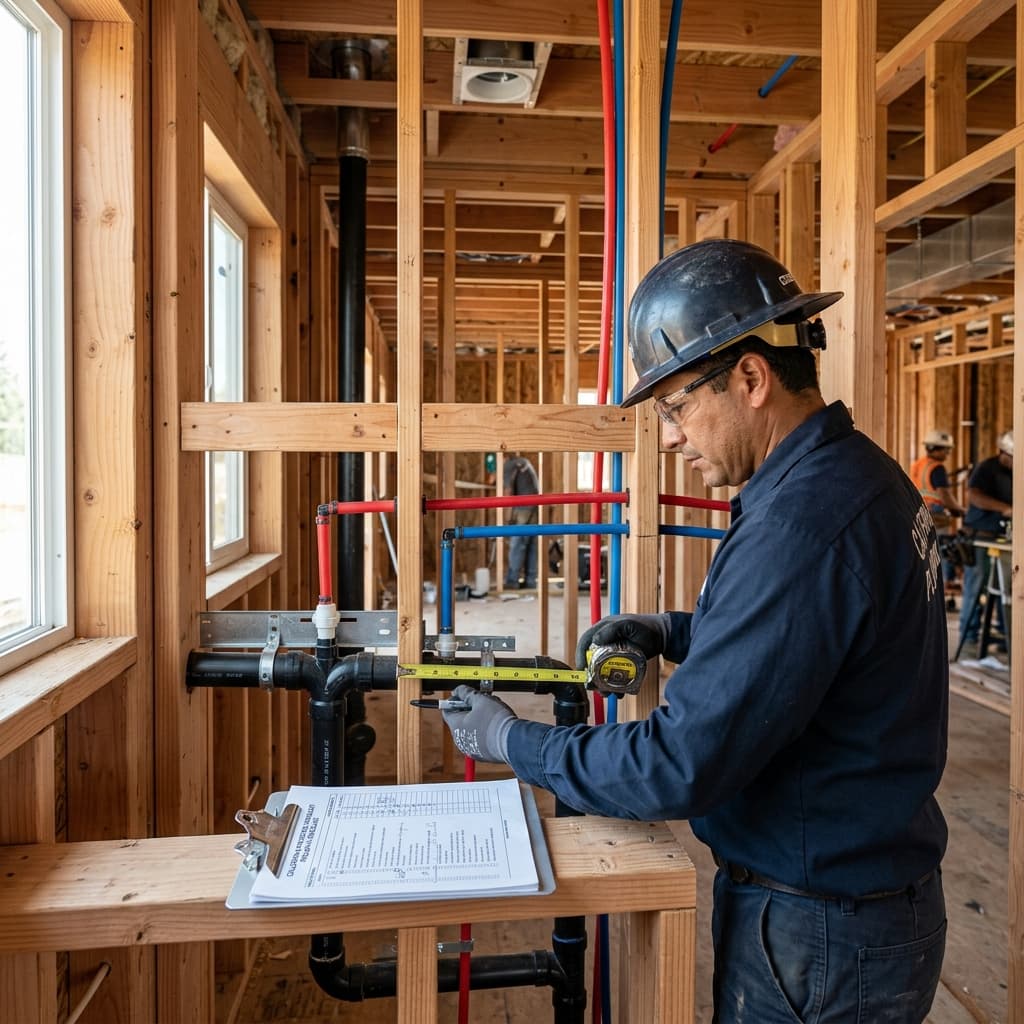
A rough-in inspection is the official examination of plumbing systems before walls, floors, ceilings, or other permanent finishes conceal the work. According to CPC Section 106, this inspection is mandatory and must be completed and approved by the local Authority Having Jurisdiction (AHJ) before concealment. The rough-in stage includes:- Water supply lines and connections
- Drainage, waste, and vent (DWV) piping
- Trap installation and venting
- Cleanouts and access points
- Pressure testing requirements
- Material and sizing compliance
CPC Section 106: The Legal Foundation
CPC Section 106 establishes the administrative framework for inspections and falls under Part 1: General Requirements and Administration. This section is frequently tested on the C-36 exam because it governs how plumbing work must be inspected and documented.Key Provisions of CPC Section 106
CPC Section 106.1 - General RequirementsThe code mandates that all plumbing systems be inspected for compliance with the California Plumbing Code. The AHJ must have access to inspect all portions of the work at any stage of construction. This means you cannot proceed with concealment without written approval.
CPC Section 106.3 - Concealment This subsection is critical for exam purposes: No part of any plumbing system shall be concealed by any wall, floor, ceiling or other permanent finish until that part of the plumbing system has been inspected and approved.Violations of this requirement are among the most common citations and exam failures. Contractors who conceal work without inspection face penalties and work stoppages.
CPC Section 106.5 - Right of EntryInspectors have the right to enter any premises to conduct inspections. As a licensed plumber or C-36 contractor, you must provide reasonable access and notification.
The Rough-In Inspection Checklist
Use this detailed checklist when preparing for your rough-in inspection. This directly applies to C-36 exam scenarios and real-world compliance.
Pre-Inspection Preparation
- [ ] Schedule inspection at least 48 hours in advance (contact your local AHJ for specific requirements)
- [ ] Ensure all roughed-in piping is accessible and visible
- [ ] Remove temporary coverings or debris that obscures piping
- [ ] Have plans and permits available for inspector review
- [ ] Verify all work is complete for the roughed stage
- [ ] Confirm all temporary caps and plugs are in place
Water Supply System Components
- [ ] Main shut-off valve installed and accessible (CPC Section 608.1)
- [ ] Water meter and backflow prevention devices installed (CPC Sections 608.15, 608.16)
- [ ] All supply lines properly sized per CPC Section 604 (demand load calculations)
- [ ] Hot water lines insulated per CPC Section 607.2 requirements
- [ ] All connections free of leaks (pressure test performed)
- [ ] Anti-siphon devices installed where required (CPC Section 608.13)
- [ ] Flexible water supply connectors properly secured (CPC Section 605.8)
Drainage, Waste, and Vent (DWV) System
- [ ] All drains sloped correctly (minimum 1/4" per foot per CPC Section 703.2)
- [ ] All traps installed with water seals (CPC Section 703.1)
- [ ] P-traps for fixtures, S-traps prohibited (CPC Section 704.1)
- [ ] Trap seals protected from evaporation where required
- [ ] Vent stacks properly sized and located (CPC Section 704)
- [ ] Vent terminations above roof per CPC Section 704.2
- [ ] Cleanouts installed at required locations (CPC Section 706.1)
- [ ] All piping properly secured and supported (CPC Section 308.1)
Material and Sizing Compliance
- [ ] All materials meet CPC specifications (galvanized steel, copper, PVC, ABS per material chapters)
- [ ] Pipe sizing matches calculation tables and fixture unit requirements
- [ ] Correct fitting types used (no street elbows for DWV in prohibited locations)
- [ ] Solder joints completed (for copper piping)
- [ ] No mixing of incompatible materials without approved adapters
Common Problem Areas Inspectors Will Check
Trap Placement Inspectors frequently fail rough-ins where traps are improperly installed. Common failures include:- Traps too far from fixture outlets (exceeds distance per CPC Section 704.1)
- Fixture drains exceeding 30" without vent
- 45-degree angles used when 90-degree required
- Insufficient vent stack size
- Vent terminations below roof line or too close to windows/doors
- Improper wet venting installations
- Missing or incorrectly sized vent increaser sizing
- Minimum 1/4" per foot slope
- Maximum 45-degree angle for changes in direction
- Horizontal waste and vent pipe slopes not exceeding 1/2" per foot
- Horizontal piping requires supports per CPC Section 308.1 (typically every 4-6 feet for metal, 3 feet for plastic)
- Vertical piping support requirements differ by material
- Hangers must not damage piping
Testing Requirements Before Concealment
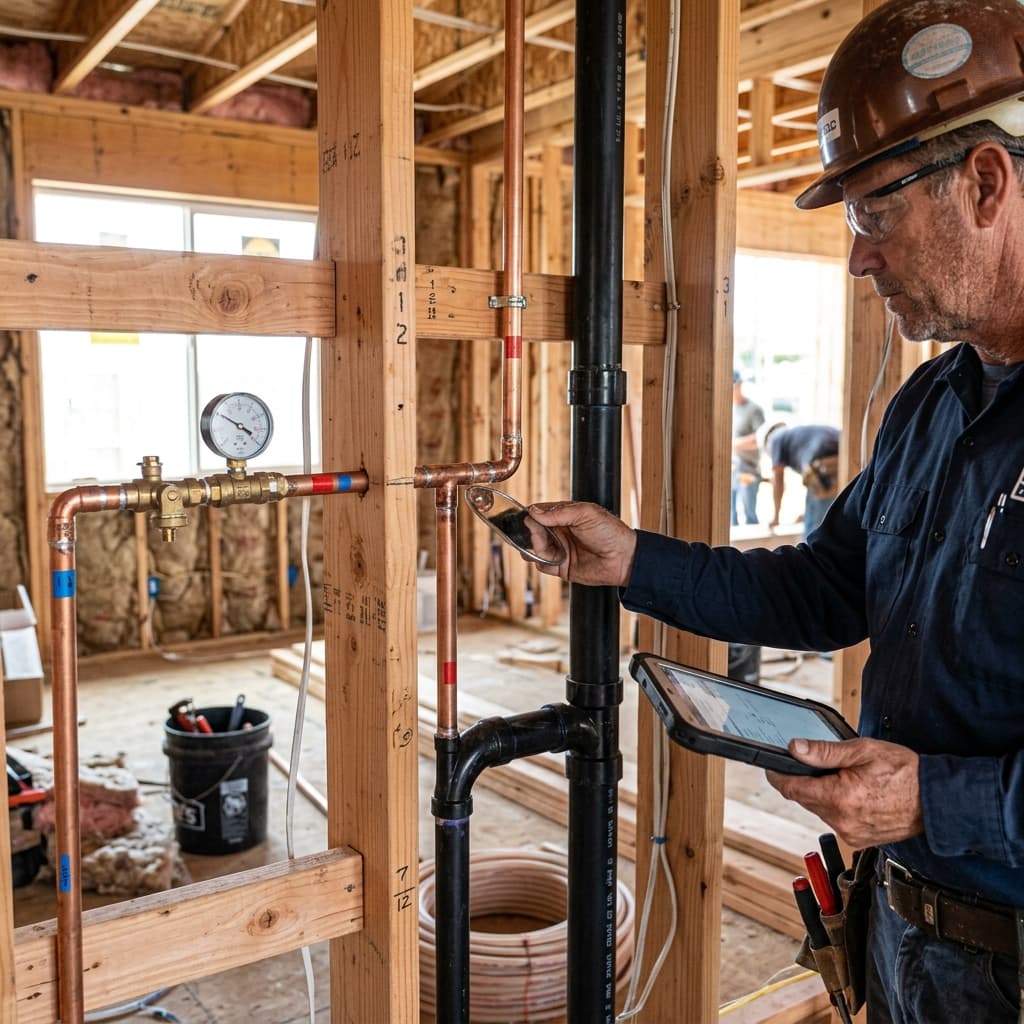
According to CPC Section 312, plumbing systems must be tested before concealment: Water Supply Testing- Minimum 50 psi pressure maintained for 15 minutes with no leaks
- Pressure relief valve operating within range
- Backflow prevention devices functioning
- Water test using 10 feet of water column in system
- 15-minute hold with no visible leaks
- Alternative: Smoke or air testing per AHJ approval
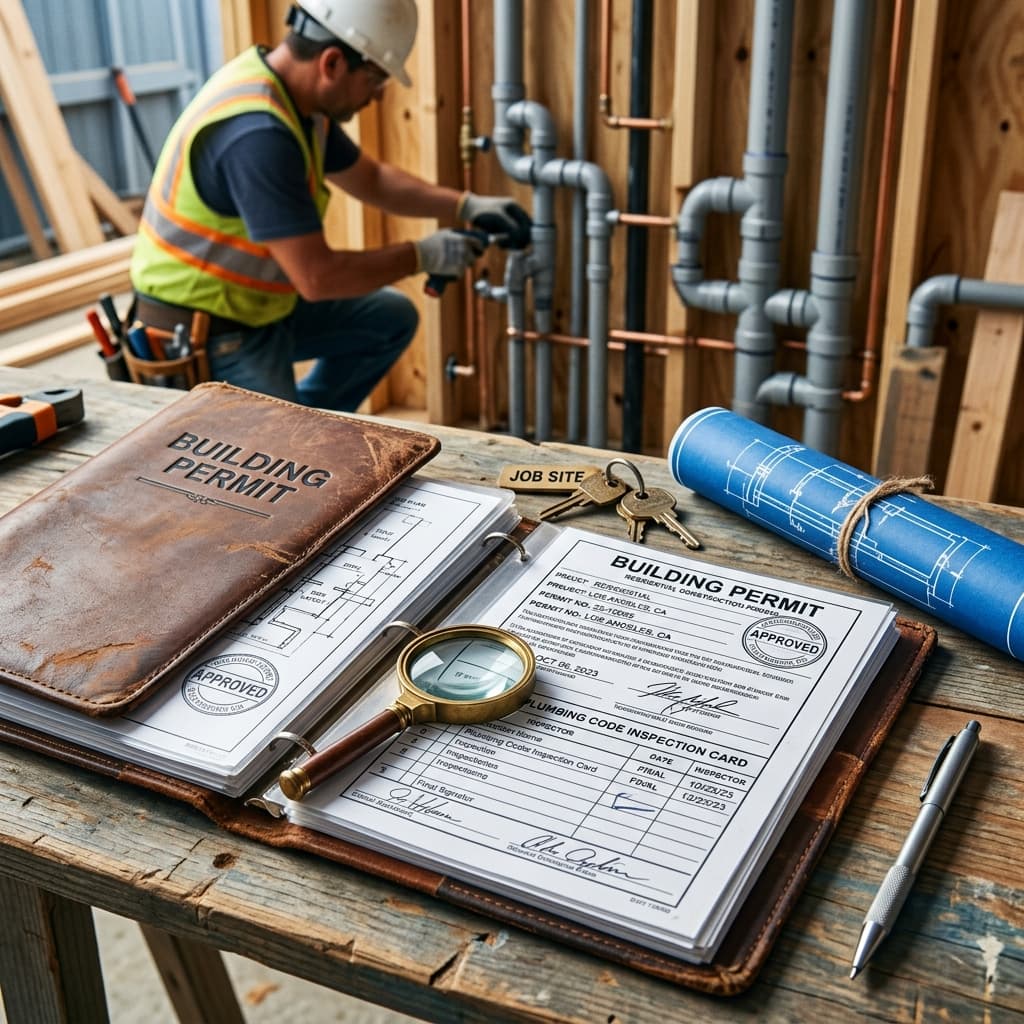
Documentation and Permits
Inspection Request Process- Submit inspection request to local building/plumbing department
- Provide permit number and project address
- Allow 48-72 hours for scheduling (varies by jurisdiction)
- Have contractor present during inspection
- Original permit and approved plans
- Test reports (pressure/water test certificates)
- Manufacturer certifications for specialized devices
- Material specification sheets for non-standard items
- Date of inspection
- Inspector identification
- Approval or deficiency list
- Required follow-up items
Common C-36 Exam Failures Related to Rough-In Inspection
Test takers frequently miss questions about rough-in inspection requirements. Here are the most common failure patterns:
Failure #1: Concealment Without Inspection Exam Question Type: Scenario-basedA contractor begins framing walls over rough-in plumbing without waiting for inspection approval. This violates CPC Section 106.3 directly.
Why candidates fail: They don't recognize that concealment without approval is automatic non-compliance, even if the work is otherwise correct. Failure #2: Incorrect Trap-to-Fixture DistanceCandidates miss questions about maximum distances from fixture outlets to traps, specified in CPC Section 704.1.
Correct answer: Trap must be installed within 24 inches of fixture outlet (except laundry tubs at 5 feet). Failure #3: Vent Sizing Errors Candidates confuse vent pipe sizing with water supply sizing. Vent sizing depends on:- Fixture unit load
- Stack height
- Horizontal vs. vertical runs
- Horizontal DWV slope calculations (1/4" minimum per foot)
- Support spacing requirements varying by material and pipe size
- Hangers and supports not damaging piping integrity
- Water supply: 50 psi minimum for 15 minutes
- DWV: 10-foot water column for 15 minutes
Jurisdiction-Specific Variations
California's Authority Having Jurisdiction (AHJ) enforcement varies by county and municipality. Your C-36 exam focuses on California Plumbing Code state requirements, but understand:
- Local amendments: Some jurisdictions have stricter requirements than CPC
- Inspection fees: Vary by location
- Inspection scheduling: Some areas require 48 hours, others 72 hours notice
- Third-party inspectors: Some AHJs accept approved third-party inspections
Best Practices for Rough-In Inspection Success
Before You Call for Inspection:- Walk the job with the plans - Verify every pipe location matches approved plans
- Pressure test early - Test before calling inspector; fix leaks proactively
- Photograph everything - Document all work stages before concealment
- Create a checklist - Use the checklist in this post for every job
- Coordinate with other trades - Ensure electrical, HVAC don't interfere with plumbing
- Be present and professional
- Answer inspector questions directly
- Point out specific code references if questioned
- Request detailed deficiency lists in writing
- Ask clarifying questions about required corrections
- Correct all cited deficiencies immediately
- Schedule re-inspection for corrections
- Document final approval
- Maintain records for warranty/reference
How This Applies to Your C-36 Exam
CPC Section 106 and rough-in inspection requirements appear in:
- Scenario questions: "A contractor wants to frame walls. What must happen first?"
- Compliance questions: "Which activity violates CPC Section 106?"
- Calculation questions: "Calculate the vent pipe size for this trap configuration" (requires understanding when inspection is needed)
- Code reference questions: "When must a rough-in inspection be approved?"
Key Takeaways for Exam Success
✓ Concealment is prohibited without inspection approval (CPC Section 106.3) ✓ Testing is required before inspection (water at 50 psi, DWV at 10-foot water column) ✓ Trap placement and venting are the two most-tested rough-in topics ✓ Documentation matters - Inspectors need permits, plans, and test certificates ✓ Access and timing - Inspectors have right of entry; schedule 48+ hours in advance ✓ Material compliance - All piping must meet CPC specifications before concealmentConclusion
Mastering rough-in inspection requirements under CPC Section 106 is essential for C-36 exam success and real-world plumbing compliance. The inspection process protects both contractors and property owners by ensuring code-compliant installations before work becomes concealed.
Use this comprehensive checklist on your next project and when studying for your exam. Remember: rough-in inspection isn't a bureaucratic hurdle—it's a critical quality assurance step that prevents costly rework and ensures safe plumbing systems for California buildings.
Ready to test your knowledge? Review the CPC Section 308 support requirements article next, and practice exam scenarios involving rough-in compliance until you can answer inspection questions confidently.