
# Backflow Prevention and Cross-Connection Control: CPC Section 608 Compliance Guide
Backflow prevention is one of the most critical safety components of any potable water system. The California Plumbing Code (CPC) Section 608 establishes comprehensive requirements for preventing contaminated water from flowing backward into public water supplies and private water systems. For C-36 plumbers preparing for certification exams, mastering these regulations is essential to protecting public health and maintaining professional licensure.
This comprehensive guide covers everything you need to know about backflow prevention requirements California, cross-connection control mechanisms, and compliance with CPC regulations.Understanding Backflow and Its Dangers
What Is Backflow?
Backflow occurs when water or other liquids, mixtures, or substances reverse direction and flow back into the potable water supply from the customer's plumbing system. This reversal creates a serious public health hazard by introducing contaminants, chemicals, or pathogens into the clean water supply that homes and businesses depend on.
Types of Backflow
CPC Section 608.1 identifies two distinct types of backflow that plumbers must understand: Backsiphonage: Occurs when pressure in the supply line drops below atmospheric pressure, creating a vacuum that pulls contaminated water backward into the potable system. Common causes include:- Water main breaks
- High water demand situations
- Frozen pipes causing pressure loss
- Shut-off valve closures
- Booster pumps
- Elevated water tanks or rooftop storage
- Hot water heaters with thermal expansion
- Cooking or cleaning equipment with internal pressurization
CPC Section 608: Requirements Overview
Cross-connection control CPC regulations require plumbers to implement a multi-layered approach to backflow prevention. Section 608 covers:- Device installation and certification requirements
- Hazard classification systems
- Testing and maintenance protocols
- Record-keeping and reporting
- Inspection authority responsibilities
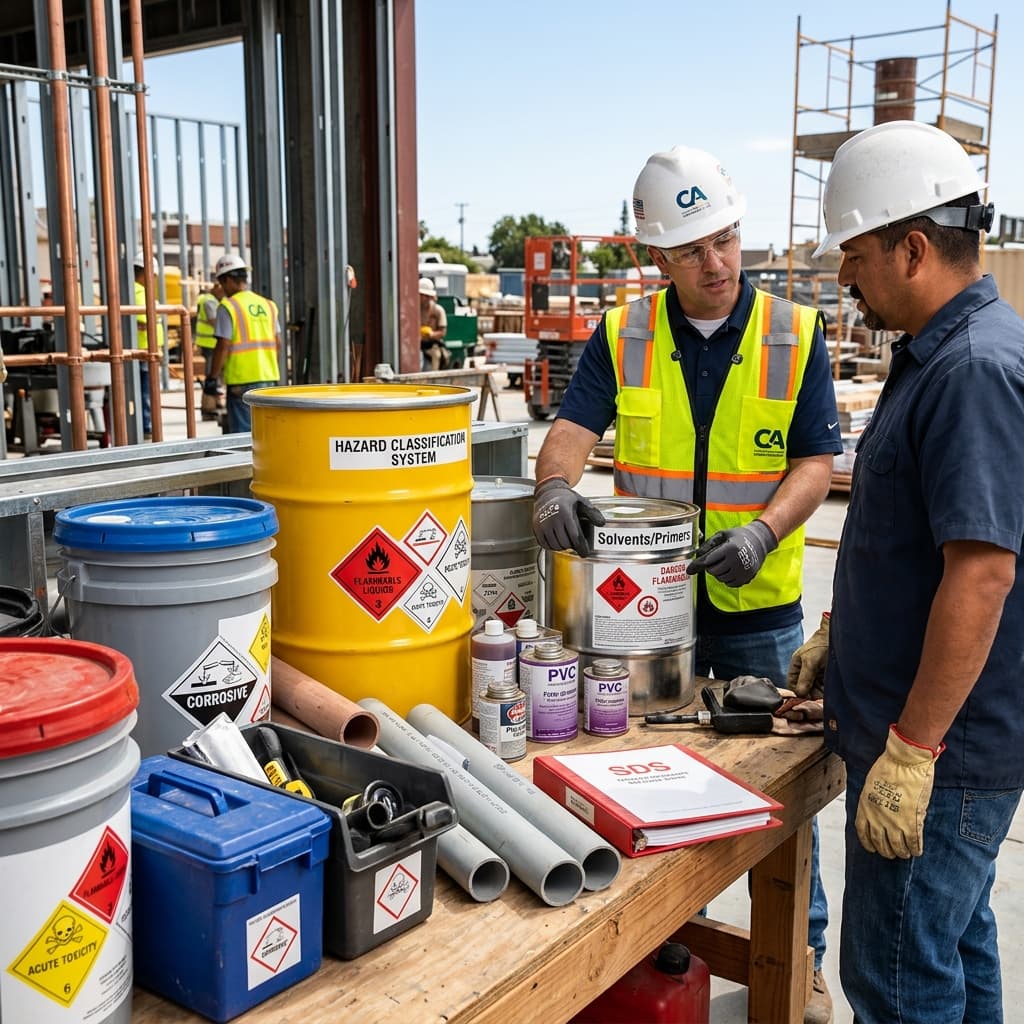
Hazard Classification System
Understanding hazard levels is crucial for selecting the correct backflow prevention method. CPC Section 608.2 establishes three hazard classifications:High-Hazard (Pollutants)
High-hazard conditions exist when backflow could introduce substances that create illness or serious bodily injury. Examples include:
- Laboratories containing toxic or pathogenic materials
- Chemical storage or manufacturing facilities
- Medical or dental offices with blood or infectious agents
- Pesticide application equipment
- Industrial cooling systems with non-potable liquids
- Wastewater treatment facilities
Medium-Hazard (Contaminants)
Medium-hazard situations involve substances that could impair health or create objectionable taste, odor, or appearance. These include:
- Car wash facilities
- Lawn irrigation systems with fertilizers or pesticides
- Dishwashing machines
- Humidifiers
- Swimming pools and hot tubs
- Booster pump systems
- Water softening equipment
Low-Hazard (Nuisance)
Low-hazard connections pose minimal risk but still require protection:
- Hose bibbs and sill cocks
- Ice makers and beverage dispensers
- Water closet flush tanks
- Decorative fountains
Backflow Prevention Devices
Pressure Vacuum Breaker (PVB)
The pressure vacuum breaker operates by allowing air into the line when pressure drops below atmospheric pressure. Key characteristics:- Application: Medium-hazard protection in interior applications
- Cannot be installed: Below the flood level rim
- Testing frequency: Annually by certified tester
- Cost-effective: Less expensive than RP devices
- Limitation: Not suitable for pollutant (high-hazard) protection
Double Check Valve Assembly (DCVA)
Double check valves provide two independent check valves in series:
- Application: Medium-hazard protection, both interior and exterior
- Advantage: Can be installed below flood level rim
- Testing: Annual testing required per CPC Section 608.3
- Maintenance: Seats can corrode or fail, requiring periodic replacement
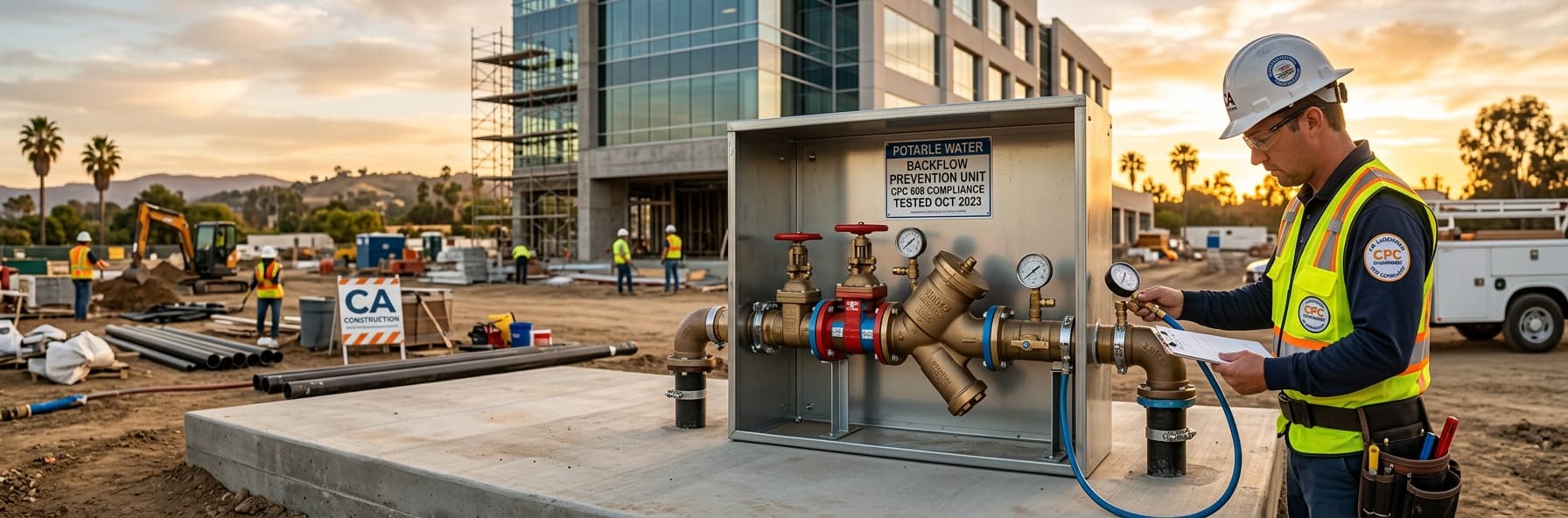
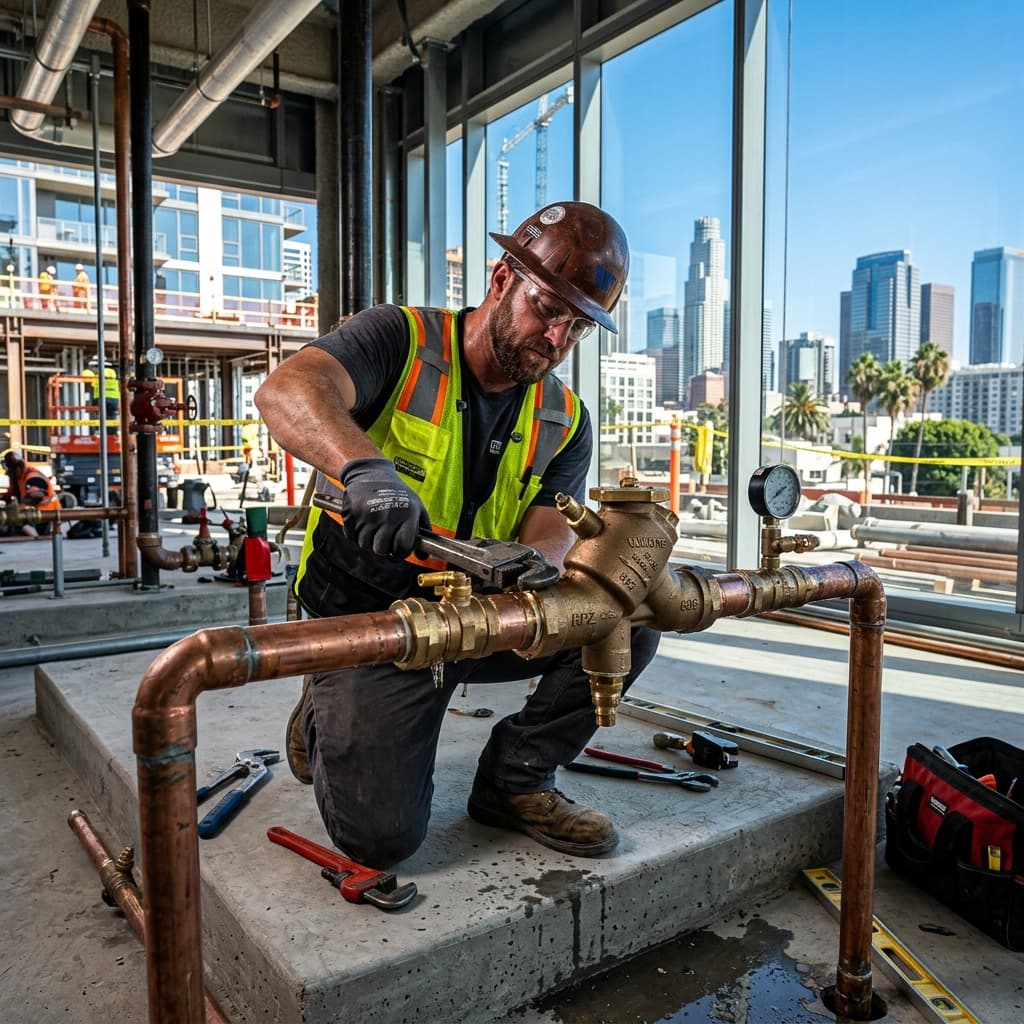
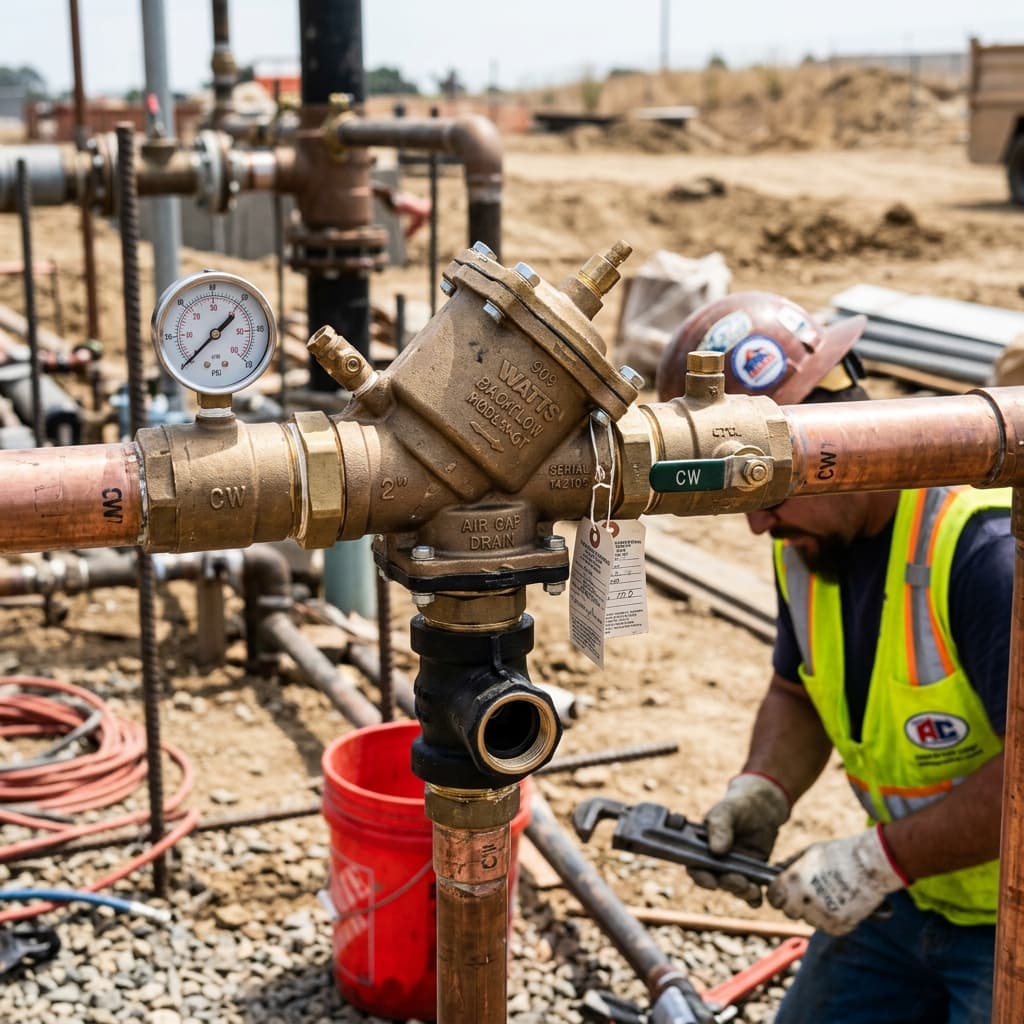
Reduced Pressure Backflow Preventer (RP or RPZ)
The reduced pressure device is the gold standard for high-hazard protection:
- Design: Two check valves with relief valve between them
- Function: Maintains pressure zone between valves at 2-3 PSI below supply pressure
- Application: Protects against both backsiphonage and backpressure
- Cost: More expensive but legally required for contamination hazards
- Maintenance: Requires annual professional testing and regular maintenance
Air Gap
The simplest and most effective backflow prevention method is an air gap—a physical separation between the potable water outlet and the non-potable receiving vessel.- Application: Most reliable method when space permits
- Installation: Minimum 1 inch above flood rim, or 2.5 times the supply line diameter
- Examples: Kitchen faucet over sink, hose over pool
- No maintenance: Once installed, no ongoing testing required
Cross-Connection Identification and Control
What Is a Cross-Connection?
Cross-connection control CPC regulations define a cross-connection as any physical connection or arrangement between a potable water system and any source of non-potable water, contaminants, or potential pollutants.Common Cross-Connections in Buildings
Plumbers must identify and eliminate or protect all cross-connections:
Exterior/Landscape:- Irrigation systems
- Pool fill lines
- Fountain connections
- Drainage or recirculation systems
- Booster pump discharge lines
- Water softener bypass arrangements
- Heating system fill connections
- Laboratory or commercial equipment
- Connections to reclaimed water systems
- Industrial water supplies
- Emergency water supplies
Installation Requirements per CPC Section 608
Premise Isolation vs. Point-of-Use Protection
Premise isolation protects the entire building system with a device at the meter or main shut-off:- Required when hazardous conditions exist inside the building
- Protects downstream plumbing from contamination
- Reduces need for multiple individual devices
- More cost-effective for complex buildings
- Required for specific high-risk appliances
- Cannot substitute for premise isolation in most cases
- Used in combination with premise isolation
Installation Location Standards
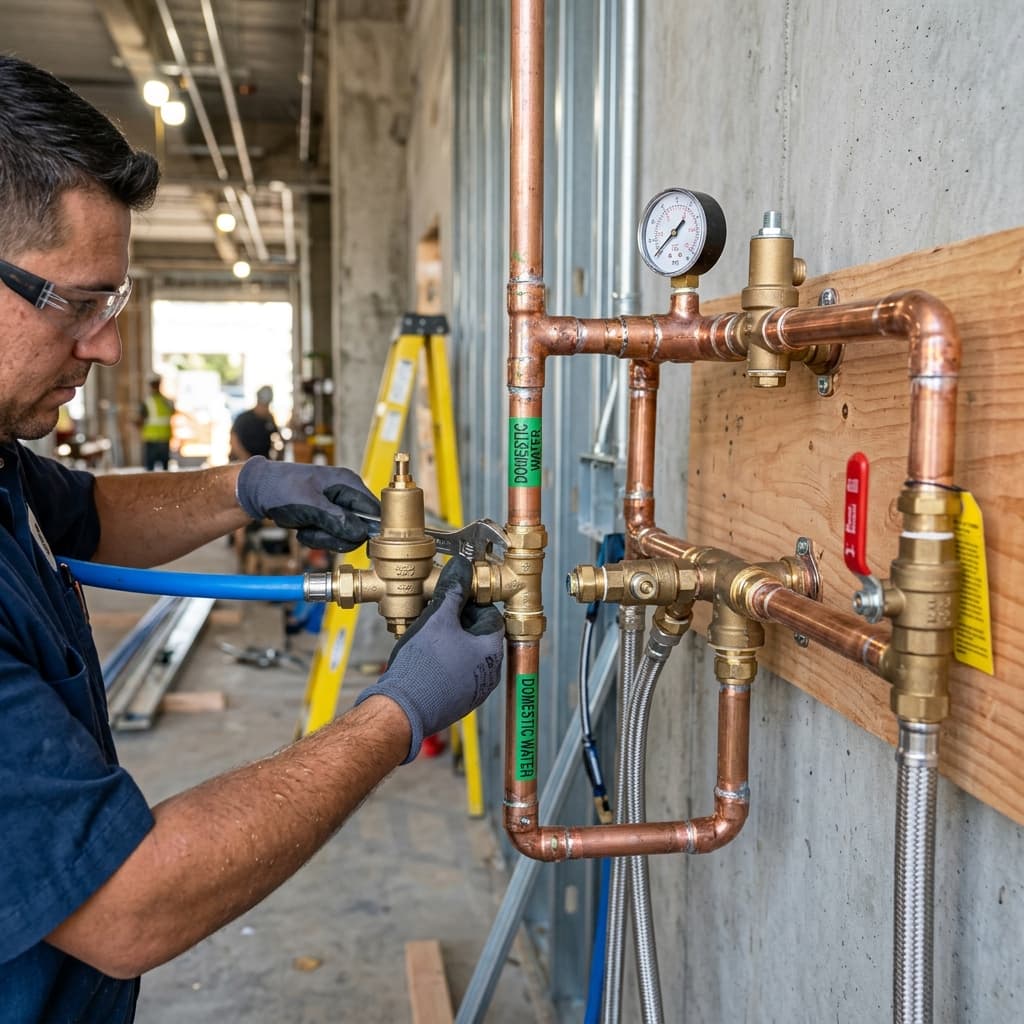
Per CPC Section 608.4, backflow prevention devices must be:- Installed on the building's water service line
- Located in an accessible location for inspection and testing
- Protected from freezing in cold climates
- Installed with shut-off valves on both sides
- Properly supported to prevent stress on connections
- Tagged or labeled with device type and installation date
Testing, Maintenance, and Certification
Certification Requirements
Only certified backflow prevention device testers may perform official testing and reporting. California requires:- Completion of approved training courses
- Passing certification examination
- Continuing education compliance
- Annual testing records submitted to water agencies
Testing Frequency
CPC Section 608.3 and water agency requirements mandate:- Initial test: Within 10 days of installation
- Annual testing: Every 12 months minimum
- Maintenance: As needed if device fails testing
- Records: Maintained for 5+ years per water agency rules
What Testing Includes
Certified testers must verify:
- All relief valve settings
- Check valve operation
- Seat conditions
- Proper water flow
- Alarm or indicator function
- Complete isolation between zones
- Documentation of all measurements
Common Test Failures
Devices frequently fail testing due to:
- Corrosion or scaling on valve seats
- Foreign debris stuck in check valves
- Improper pressure settings
- Worn seals or gaskets
- Frozen or stuck relief valves
- Improper installation orientation
Compliance for C-36 Exam Success
Key CPC References to Master
For your C-36 examination, focus on these sections:
- CPC Section 608.1: Definitions and general requirements
- CPC Section 608.2: Hazard classification system
- CPC Section 608.3: Device testing and certification
- CPC Section 608.4: Installation standards
- CPC Section 608.5: Maintenance and repair requirements
- CPC Section 608.6: Cross-connection survey requirements
Common Exam Questions
Expect questions addressing:
- Scenario-based: "A medical laboratory needs backflow protection. Which device is required?"
- Code compliance: "How often must double check valves be tested?"
- Device selection: "What is the minimum protection for a lawn irrigation system?"
- Installation: "Where can you install an RP device in relation to the flood level rim?"
- Hazard classification: "Which type of cross-connection requires high-hazard protection?"
Study Tips for Exam Preparation
- Create flashcards with device types and hazard levels
- Memorize testing frequencies for each device type
- Practice scenario questions linking cross-connection types to required protection
- Review local water agency requirements (often exceed CPC minimums)
- Study device diagrams to understand internal check valve operation
Water Agency Authority and Local Requirements
Water Agency Inspection Authority
Local water purveyors enforce backflow prevention under CPC Section 608 authority:- Right to inspect all backflow prevention devices
- Authority to require survey and identification
- Power to mandate additional protection beyond CPC minimums
- Enforcement through penalties and water service termination
Additional Local Requirements
Many California water agencies require:
- Premise isolation for all commercial buildings
- More frequent testing (biennial or quarterly)
- Specific device manufacturer approval
- Extended record retention
- Cross-connection inventories for high-risk facilities
Real-World Application Examples
Example 1: Multi-Story Office Building
Scenario: 10-story office building with booster pumps for upper floor supply and separate irrigation system Required Protection:- Premise isolation device at main meter (RP preventer)
- Booster pump discharge check valve
- Irrigation line isolation with atmospheric vent
- Annual testing of all devices
Example 2: Residential Home with Pool
Scenario: Single-family residence with pool and landscape irrigation Required Protection:- Pool fill line: Air gap or vacuum breaker
- Irrigation system: DCV or RP device with annual testing
- Hose bibbs: Vacuum breakers or anti-siphon bibbs
- No premise isolation required for residential
Example 3: Medical Facility
Scenario: Dental office with vacuum waste system and laboratory Required Protection:- Premise isolation with RP device at meter
- Separate protection for any laboratory equipment
- Annual certification testing required
- Detailed cross-connection survey on file
Future Trends and Updates
The field of backflow prevention continues evolving:
- Smart monitoring devices with remote pressure sensors
- Automatic test alerts for compliance tracking
- Enhanced training requirements for certified testers
- Stricter regulations for medical and food service facilities
- Integration with water quality monitoring systems
Conclusion
Mastering backflow prevention requirements California and cross-connection control CPC regulations is essential for C-36 plumbing certification and professional practice. Section 608 protects public health by preventing contamination of potable water supplies—a responsibility every licensed plumber must take seriously.Success on your C-36 exam requires understanding:
- Hazard classification systems and device selection
- Installation locations and accessibility requirements
- Testing frequencies and certification standards
- Water agency authority and enforcement
- Local requirements beyond state code minimums
---
Ready for more C-36 exam prep? Explore our comprehensive guides on water supply system design and potable water quality standards.