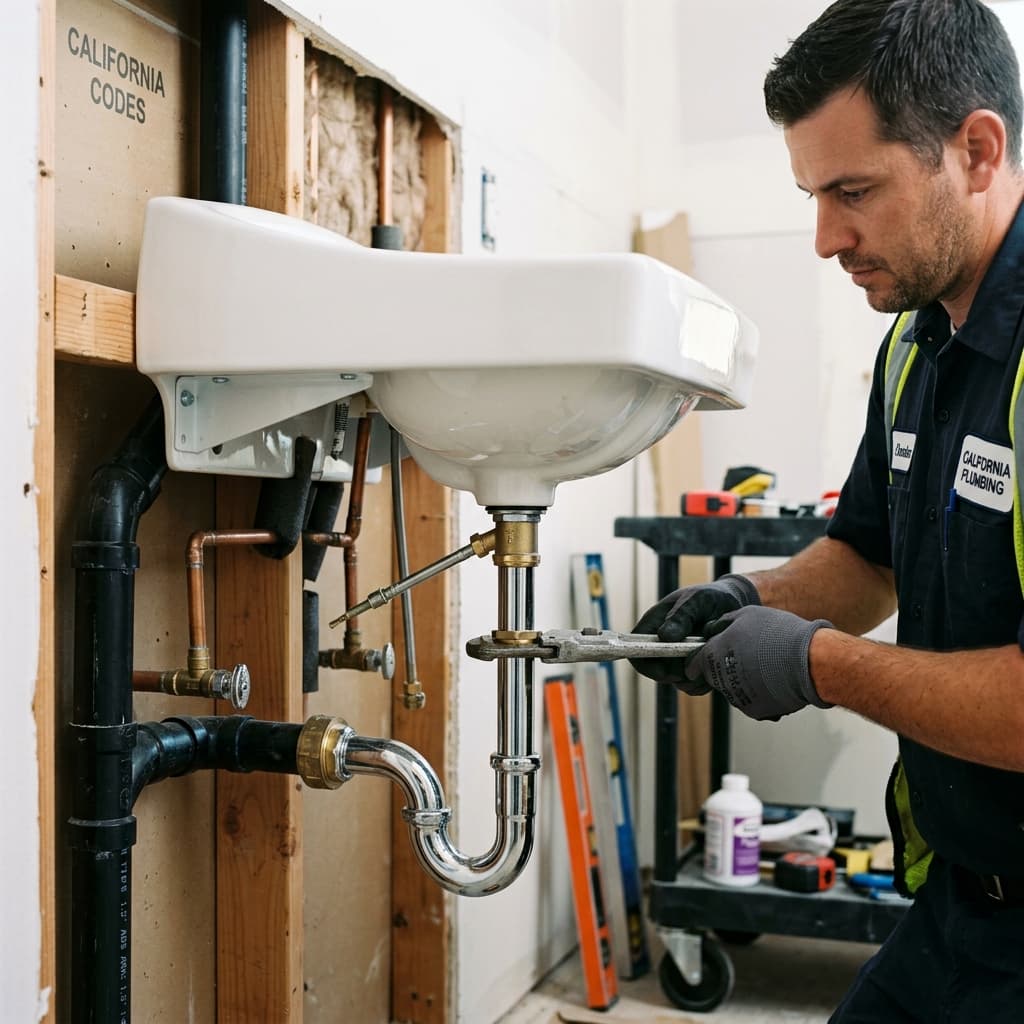

# Indirect Waste Pipe Installation and Fixture Connection Requirements for C-36 Exam Success
The indirect waste pipe california plumbing code requirements form a critical foundation in the California Plumbing Code (CPC) drainage and venting systems section. For candidates preparing for the C-36 examination, understanding these requirements isn't merely academic—it directly impacts your ability to design safe plumbing systems and answer complex code-based scenarios on the exam.What Are Indirect Waste Pipes?
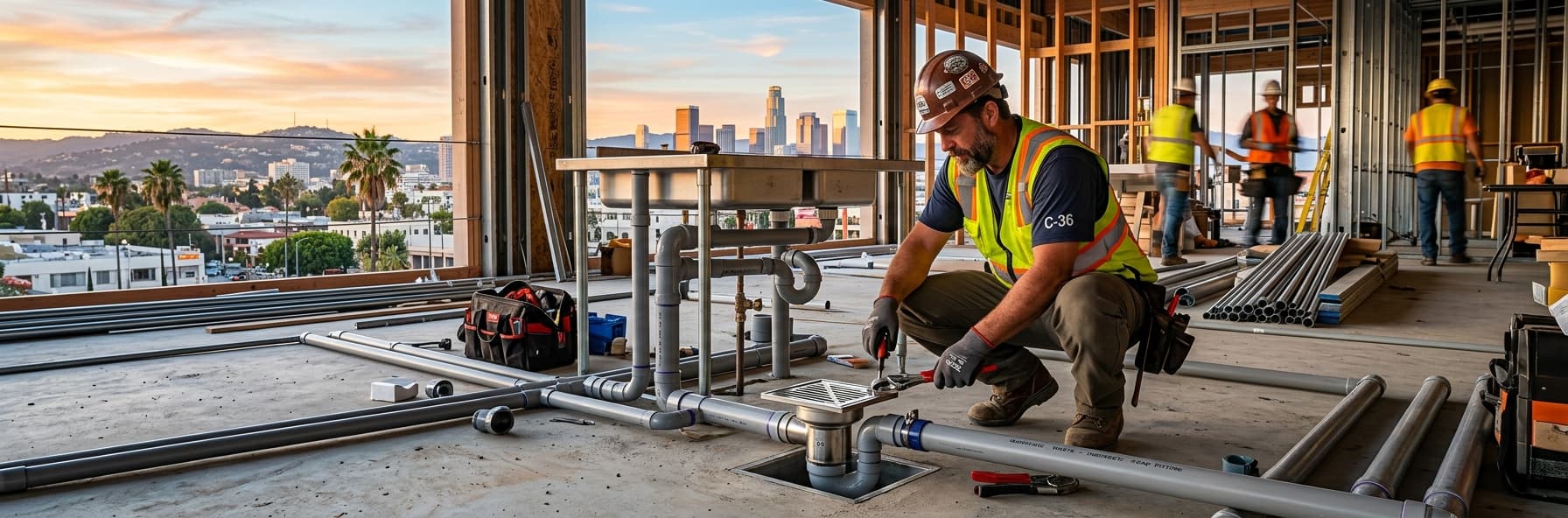
Indirect waste pipes represent a specialized drainage category where fixtures cannot connect directly to the sanitary drainage system. Instead, these pipes discharge into an approved receptor, creating a secondary connection point before wastewater enters the main drainage network.
Key Characteristics of Indirect Waste Systems
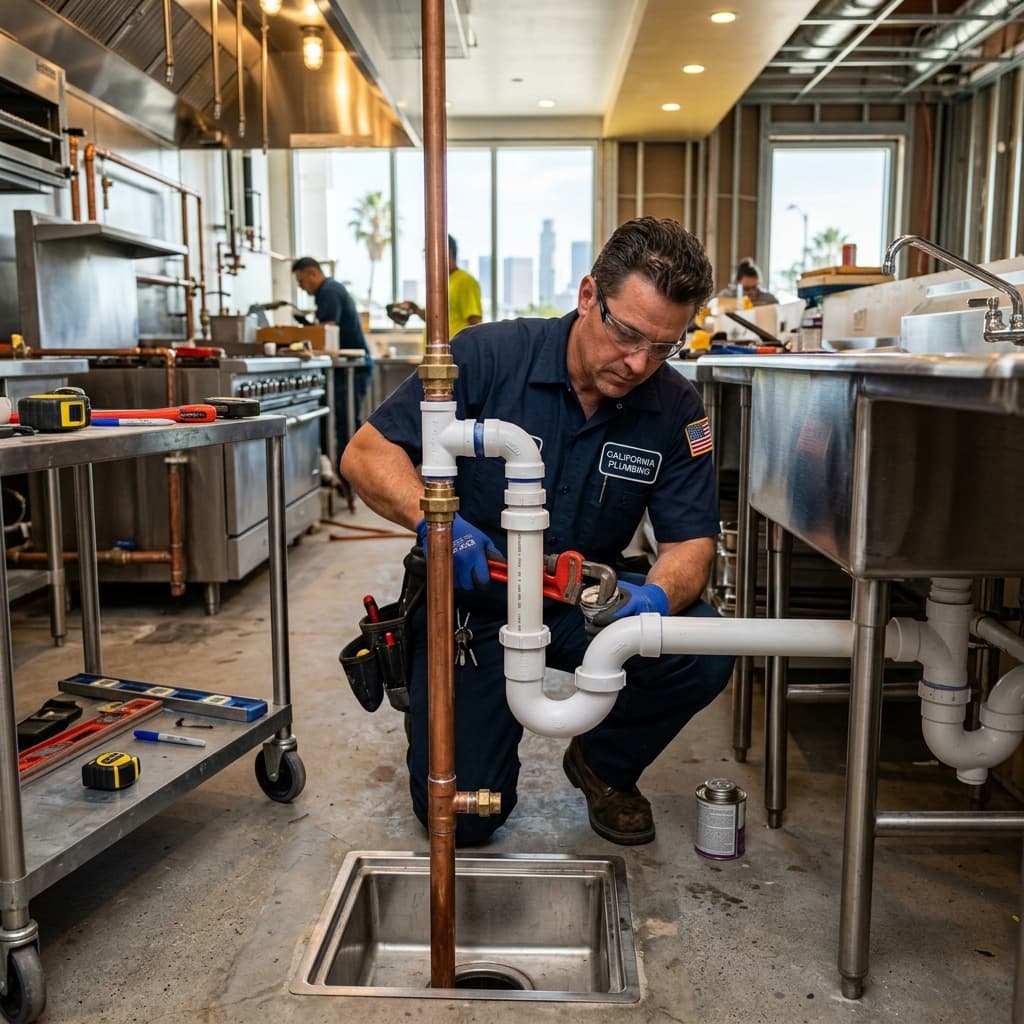
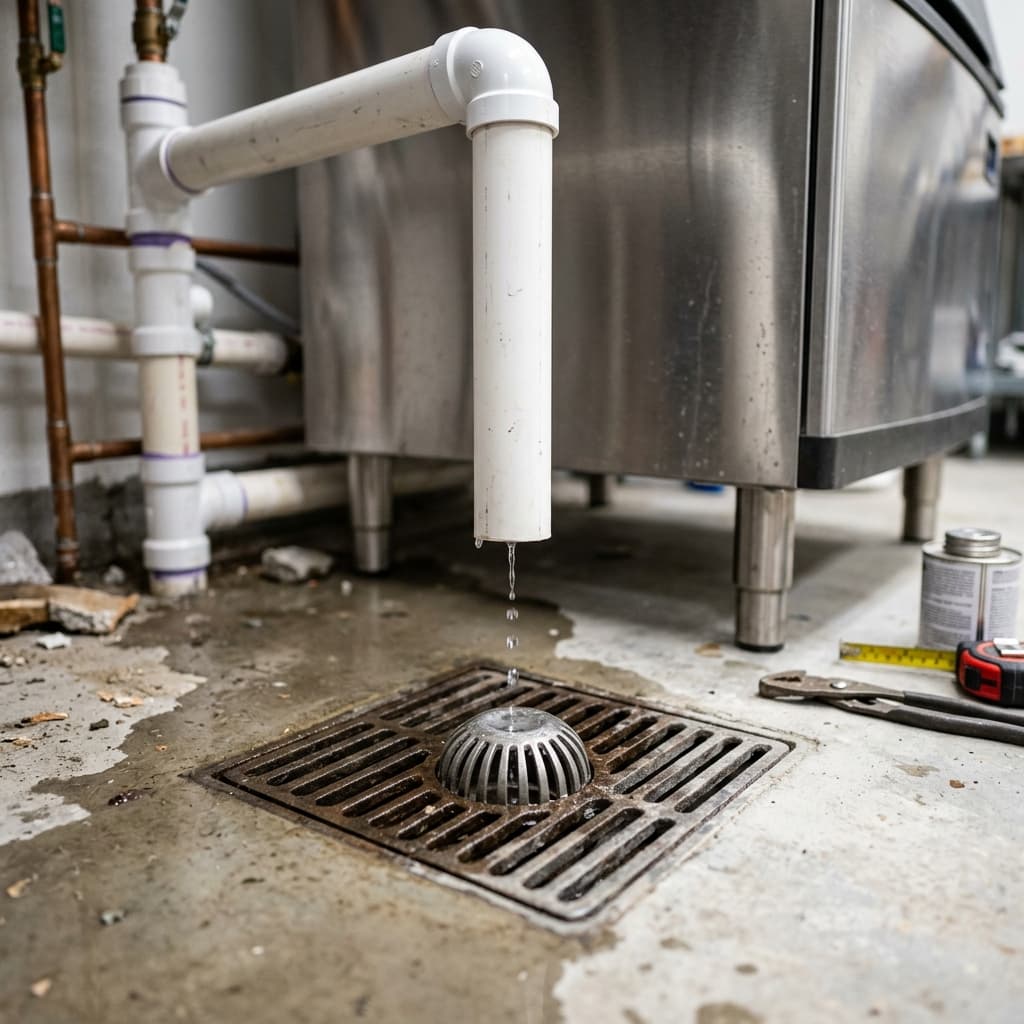
An indirect waste system functions as an intermediary drainage solution. Rather than a fixture's drain line feeding directly into a trap arm or building sewer, the discharge terminates above a receptor—typically an open sink, approved floor drain, or standpipe.
Why use indirect waste systems? Several scenarios require this approach:- Fixtures located in areas prone to backflow or contamination
- Equipment that generates hazardous discharge requiring treatment observation
- Laboratory or specialized equipment discharges
- Roof drains and condensate lines from HVAC systems
- Water heater relief valve discharge
- Indirect food waste disposal connections
CPC Section 422: The Regulatory Framework
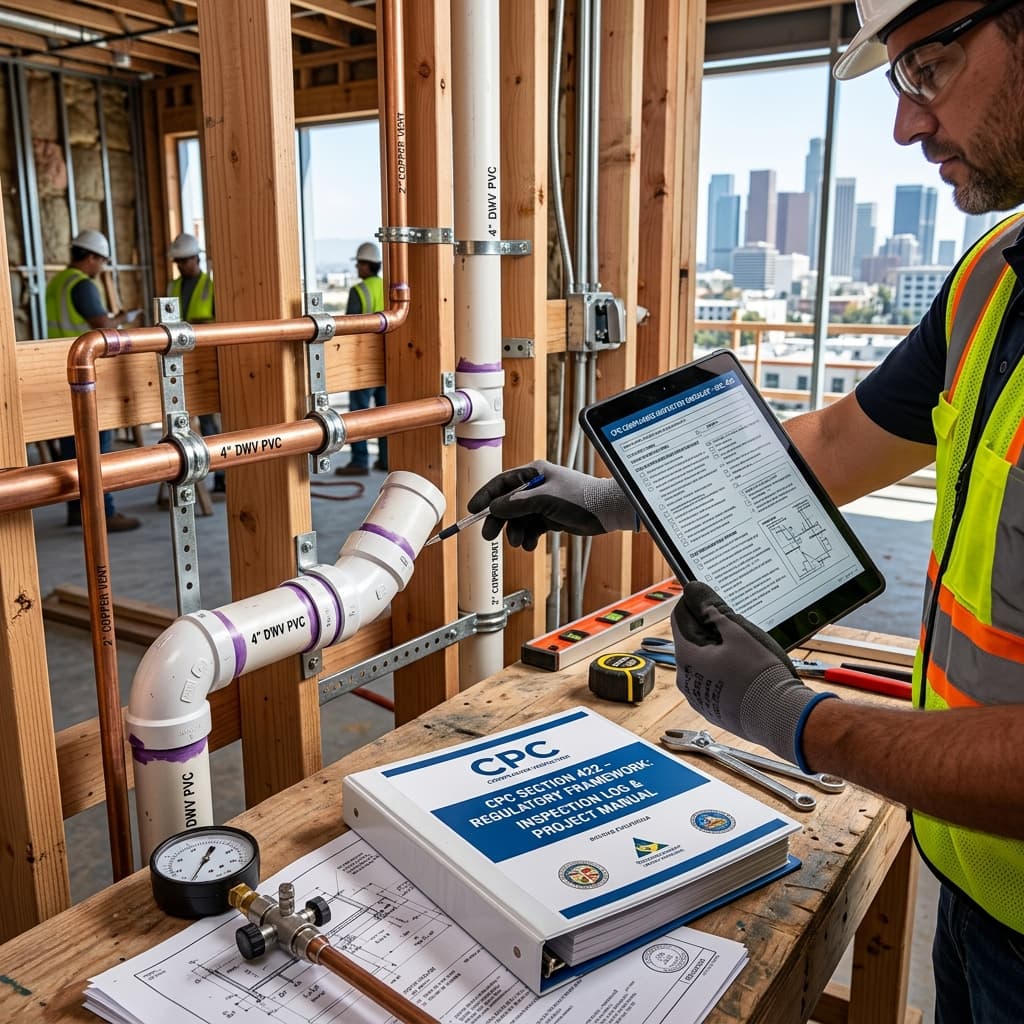
CPC Section 422 establishes comprehensive standards for indirect waste piping. This section addresses everything from fixture identification through final receptor connection specifications. Let's examine the key subsections relevant to your C-36 preparation.
Section 422.1: General Requirements
CPC Section 422.1 mandates that indirect waste pipes shall:- Discharge into a trap arm, fixture trap, or approved receptor
- Maintain visible distance between discharge point and receptor
- Never connect directly to the sanitary drainage system upstream of a trap
- Comply with sizing requirements based on fixture classification
Section 422.2: Fixture Connection Classifications
The CPC categorizes fixtures requiring indirect waste systems into specific groups, each with distinct connection requirements:
Category 1: High-Risk Fixtures- Laboratory sinks and equipment drains
- Autopsy tables and mortuary equipment
- Medical/surgical facility drains
- Photographic processing equipment
- Air conditioning condensate lines
- Heat pump discharge lines
- Water heater relief valve discharge
- Boiler blowdown connections
- Roof drain systems
- Exterior air conditioning units
- Equipment requiring weather protection
Fixture Connection Requirements Under CPC Section 422
Understanding specific fixture connection requirements prevents errors on both the exam and in the field. The CPC establishes distinct standards based on fixture type and hazard classification.
Receptor Selection and Installation
CPC Section 422.3 defines acceptable receptors for indirect waste discharge: Approved Trap Arm Method A fixture's indirect waste pipe may discharge into the trap arm of an approved fixture already connected to the drainage system. The discharge point must:- Occur above the trap weir (never below)
- Maintain minimum 1-inch vertical clearance between discharge opening and trap arm's highest point
- Utilize a 45-degree or steeper angle fitting at the discharge point
- Minimum 2-inch diameter pipe (unless serving condensate only)
- Height between 18 and 42 inches above floor level
- Connection to trap arm of approved floor drain or sink fixture
- Sloped drainage line from standpipe to floor drain (minimum 1/4-inch per foot)
- Connect to approved trap
- Possess strainer meeting CPC specifications
- Be located to receive discharge without splashing
- Must remain accessible for observation
- Discharge cannot exceed fixture's drainage capacity
- Typically used for laboratory or healthcare applications
Sizing Requirements for Indirect Waste Pipes
CPC Section 422.4 establishes sizing standards. The diameter of indirect waste piping depends on: Flow Rate Analysis- Determine the fixture's discharge rate in gallons per minute (GPM)
- Reference CPC Table 4.22.1 for fixture classifications and corresponding flow rates
- Size pipe accordingly to handle maximum simultaneous discharge
- Laboratory sinks and equipment: typically 1.5 inches minimum
- Condensate and relief lines: 3/4 to 1 inch (can be smaller for true condensate-only lines)
- Multiple fixture connections: size based on combined flow rate
Installation Best Practices and Code Compliance
Beyond basic requirements, successful installations demonstrate understanding of why codes exist.
Preventing Backflow and Contamination
The fundamental purpose of indirect waste systems is contamination prevention. Installation practices supporting this goal include:
Pitch and Slope Management- Maintain minimum 1/4-inch per foot slope toward receptor
- Avoid low spots where water might pond
- Prevent standing water in horizontal runs
- Use proper fittings (sweeping 90s, not sharp bends) to maintain flow
- Install cleanouts every 50 feet in horizontal runs
- Place cleanouts at changes of direction (horizontal to vertical)
- Ensure accessibility for maintenance and inspection
- Mark all cleanout locations for future reference
Fixture Isolation Considerations
Certain fixtures require isolation from standard drainage systems. Understanding this principle helps answer application-based exam questions:
- Laboratory equipment discharging potentially hazardous materials must allow visual inspection before entering main drainage
- Medical facility drains require indirect systems to prevent pathogenic backflow
- Photographic processing discharges require settling time before drainage system entry
- Equipment relief valves need pressure relief and temperature protection
Special Applications and Common Exam Scenarios
Roof Drain Systems
CPC Section 422.5 addresses roof drainage specifically. Roof drains present unique challenges:- Cannot discharge directly into sanitary system (potential siphoning issues)
- Must discharge into approved receptor or separate storm drainage
- May discharge over roof edge into gutters/downspouts
- Requires cleanout access at lowest point
- Identify fixture type (roof drains = condensate/exterior category)
- Determine flow rate (3 drains × typical flow = total GPM)
- Size indirect waste line accordingly
- Select appropriate receptor (floor drain with standpipe or designated sink)
- Reference specific CPC sections supporting your design
HVAC Condensate Lines
Air conditioning and heat pump condensate discharge commonly creates exam questions.
Key requirements:- Can utilize smaller piping (3/4-inch often acceptable)
- Must still discharge into approved receptor
- Cannot discharge into sanitary system directly
- Requires slope toward receptor
Water Heater Relief Valve Discharge
CPC Section 422.6 specifically addresses relief valve discharge requirements:- Must discharge to approved receptor
- Cannot terminate indoors where discharge could create damage
- When terminating outdoors, may discharge over building edge
- If indoors, must discharge into floor drain with proper sizing
- Visible drain line preferred for monitoring proper operation
Trap Arm vs. Indirect Waste: Key Distinctions
Understanding the difference between trap arms and indirect waste systems prevents fundamental misunderstandings on the exam.
Trap Arm Definition
A trap arm is the horizontal drainage line immediately downstream of a trap serving a fixture. It connects the fixture's trap directly to the drainage system.Indirect Waste System Definition
An indirect waste system discharges into a trap arm or receptor, rather than from a fixture trap. It's a secondary system serving fixtures that cannot connect directly. Exam example: "A laboratory sink requires indirect waste connection because of potential chemical contamination. The drain line from the sink discharge opening must terminate above a floor drain's trap arm with minimum 1-inch clearance. The floor drain then connects directly to the sanitary drainage system."This describes proper indirect waste application—two stages of treatment before entering main drainage.
Common Code Violations and Exam Pitfalls
Recognizing common mistakes strengthens exam performance and practical knowledge.
Violation #1: Direct Connection of Special Fixtures
Connecting fixtures requiring indirect waste directly to the sanitary system violates CPC Section 422.1. This generates frequent exam questions in "identify the code violation" format.Violation #2: Inadequate Discharge Clearance
Terminating indirect waste discharge below trap arm level or with insufficient clearance creates backflow potential. The 1-inch minimum clearance requirement exists for critical safety reasons.Violation #3: Oversizing or Undersizing Indirect Waste Lines
Common calculation errors include:- Failing to account for multiple fixtures
- Using residential sizing standards for commercial equipment
- Ignoring manufacturer specifications for specialized equipment
Violation #4: Missing or Inaccessible Cleanouts
Indirect waste systems require maintenance access. Insufficient cleanout placement violates practical installation standards covered in C-36 exams.Preparation Strategy for C-36 Exam Success
Study Focus Areas
- CPC Section 422 mastery: Read the actual code section multiple times. Highlight specific subsections addressing fixtures you'll encounter most frequently.
- Table 4.22.1 fluency: CPC includes sizing tables for indirect waste piping. Practice using these tables under timed conditions.
- Scenario application: Work through practice problems requiring you to:
- Calculation practice: Many C-36 questions involve sizing calculations. Practice converting flow rates and comparing against code tables.
Exam Question Types to Anticipate
Type 1: Code Reference Questions "Under CPC Section 422, what is the maximum height for a standpipe receptor serving indirect waste discharge?"- Answer: 42 inches above floor level
- Answer approach: Calculate combined flow (6 GPM), reference table, select appropriate diameter
- Answer: CPC Section 422 requires indirect waste discharge to approved receptor
- Answer: Either is acceptable if properly sized and accessible; floor drain more common for institutional applications
Related Topics and Further Study
Understanding indirect waste systems connects to broader C-36 drainage and venting knowledge. Consider supplemental study of:
- Trap Design and Installation Requirements
- Drainage System Sizing and Calculation Methods
- Vent System Design and Requirements
- Backflow Prevention and Cross-Connection Control
Conclusion
The indirect waste pipe california plumbing code requirements under CPC Section 422 represent essential knowledge for C-36 examination success. These requirements exist because indirect waste systems protect public health by preventing contamination of potable water and sanitary drainage systems. Mastery requires moving beyond memorization to genuine understanding of why fixtures require indirect waste connection and how proper installation prevents hazardous situations. When you understand that the 1-inch clearance requirement prevents siphonic backflow, or that standpipe height standards ensure visual observation capability, you'll answer related exam questions with confidence.As you prepare for Part 4: Drainage and Venting Systems, dedicate focused study time to CPC Section 422. Work through practice problems involving multiple fixture scenarios, sizing calculations, and code violation identification. Reference the actual code language during study sessions, building familiarity that translates to faster, more accurate exam responses.
The fixture connection requirements covered in this guide appear regularly on C-36 exams because they represent fundamental plumbing safety principles. Your mastery of these requirements demonstrates readiness for professional plumbing practice in California.