



# CPC Section 406 Fixture Connections: Rough-In Standards and Final Installation Compliance for C-36 Exam Success
Understanding CPC Section 406 Fixture Connection Requirements
CPC Section 406 fixture connections form the foundation of proper plumbing installation throughout California. As a candidate preparing for your C-36 plumbing exam, mastering these requirements is essential for both test success and real-world compliance. Section 406 specifically addresses how plumbing fixtures must be connected to water supply and drainage systems, ensuring safety, functionality, and code compliance.The California Plumbing Code's fixture connection standards protect public health by establishing uniform installation protocols across the state. Whether you're installing a simple lavatory or complex commercial kitchen, understanding these requirements demonstrates competency in your trade and protects consumers from substandard work.
The Hierarchy of Fixture Connection Standards
Primary Requirements Under CPC Section 406
CPC Section 406.1 establishes that all plumbing fixtures shall be properly connected to an approved water supply system and drainage system. This seemingly straightforward requirement encompasses multiple critical considerations:- Connection materials must meet material standards outlined in CPC Section 308
- Connection methods require appropriate fittings and joining techniques
- Accessibility requirements ensure fixtures remain serviceable throughout their lifespan
- Functionality standards guarantee fixtures perform as manufactured
Distinguishing Rough-In from Final Installation
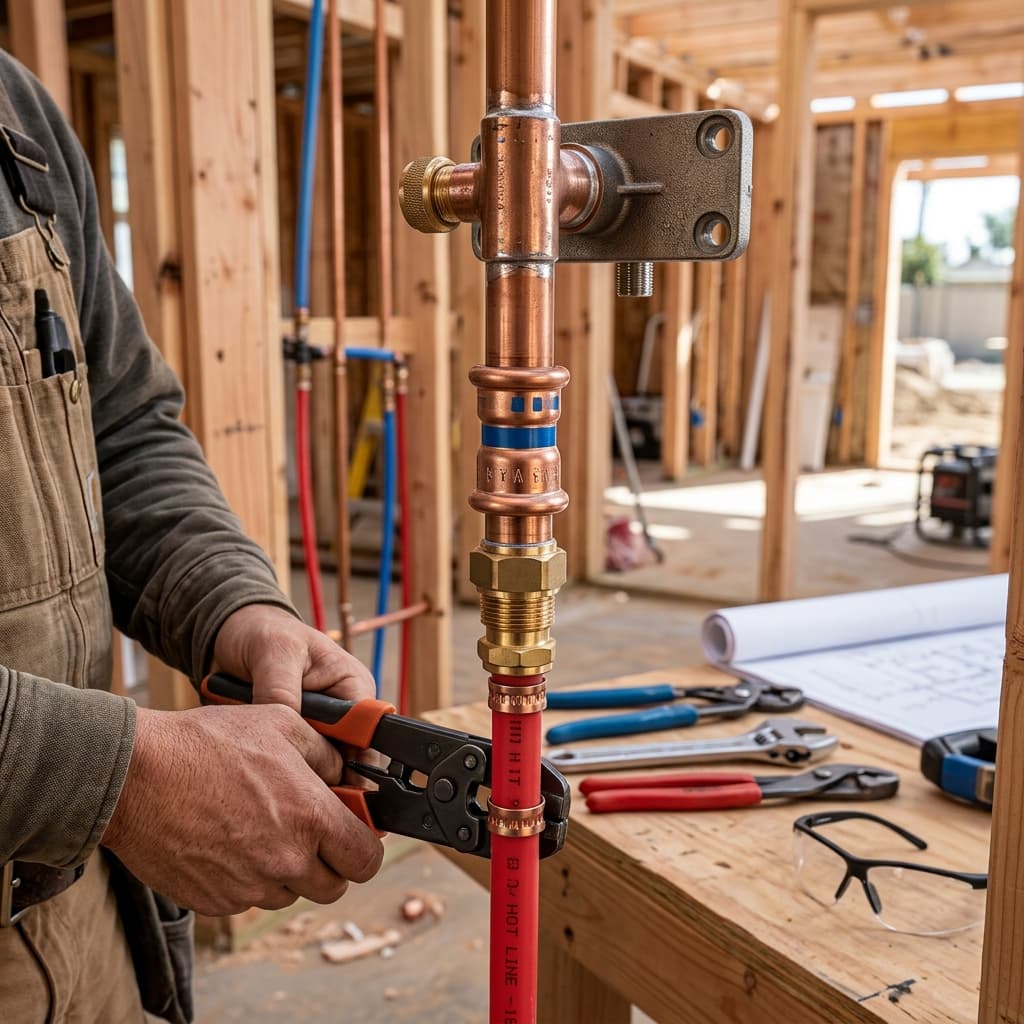
Understanding the difference between rough-in and final installation phases is crucial for C-36 exam success. These distinct stages address different aspects of plumbing fixture installation requirements California codes demand. Rough-in phase involves:- Running supply lines to fixture locations
- Installing drainage and vent lines
- Positioning fixture supports and carriers
- Inspecting all connections before wall closure
- Verifying fixture unit calculations and drainage design
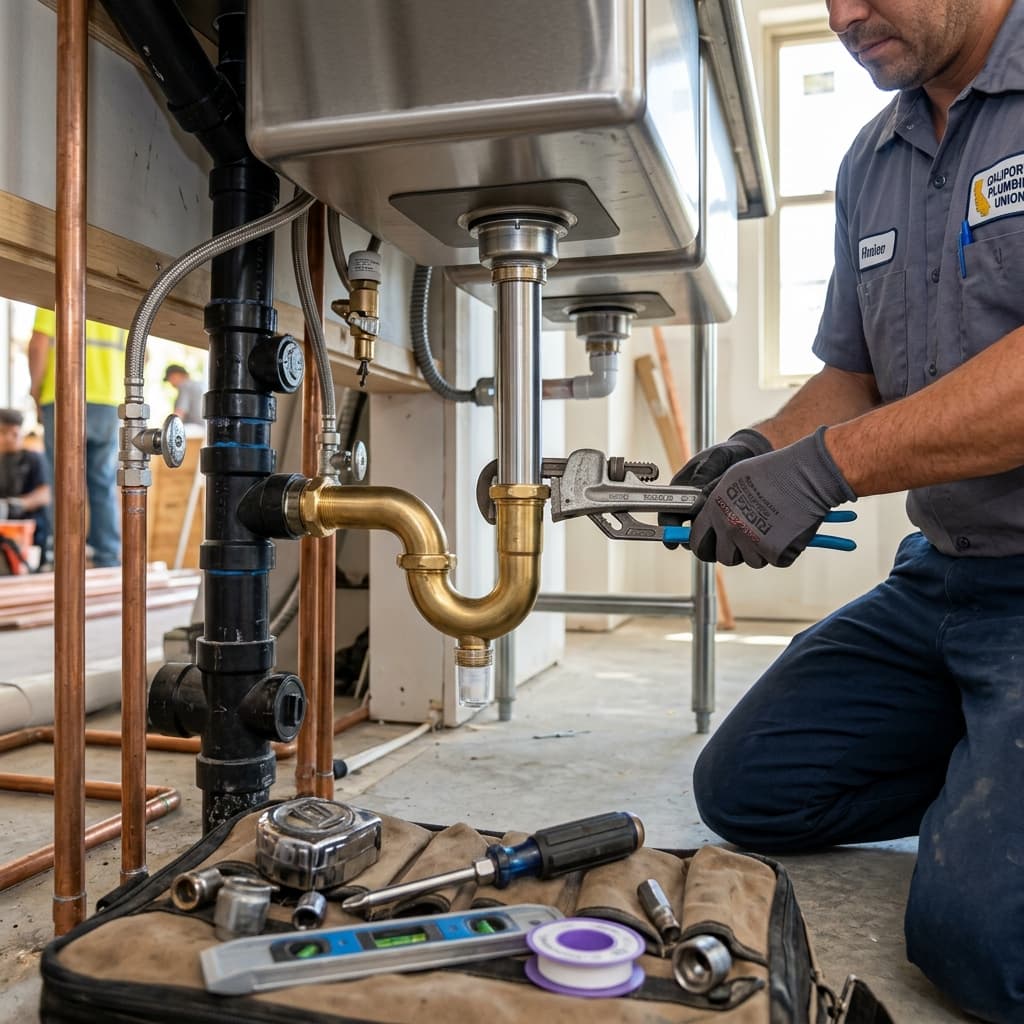
- Connecting finished fixtures to rough-in connections
- Installing trim and visible components
- Testing for leaks and proper drainage
- Ensuring accessibility and compliance
- Final inspection by building department
Rough-In Fixture Standards: Critical Specifications
Supply Line Rough-In Requirements
CPC Section 406.2 addresses supply line rough-in standards that must be met before concealment. Supply lines roughed-in must:- Terminate at approved shutoff valves located within 12 inches of the fixture connection point
- Be installed with 1/2-inch or 3/4-inch copper, PEX, or PVC material (following specific use limitations)
- Include hot and cold water branches where required by fixture specifications
- Maintain proper slope where applicable to prevent water trapping
- Be protected from freezing in areas where temperature drops below 32°F
Drainage and Vent Line Rough-In
Drainage system rough-in must accommodate proper fixture unit loading and drainage velocity. CPC Section 406.3 specifies that:- Fixture drain lines must slope 1/4 inch per foot minimum toward the main stack
- Trap arms cannot exceed 6 feet from the trap seal to the vent connection
- All fixtures requiring individual traps must have dedicated trap seals
- Vent lines must be sized according to c-36 plumbing exam fixture units calculations
Fixture Carrier Installation
Rough-in carriers provide structural support for wall-mounted fixtures before final installation. These must be:
- Securely fastened to structural framing members
- Rated for the fixture weight plus 50% safety margin
- Positioned to allow proper fixture connection angles
- Installed per manufacturer specifications and code requirements
Final Installation Compliance Standards
Connection Quality Standards
CPC Section 406.4 establishes that fixture connections must be:- Watertight - No leakage under normal operating pressure
- Durable - Capable of withstanding typical fixture usage
- Accessible - Allowing for future maintenance and repair
- Properly supported - Preventing stress on connections from fixture weight
- Tested - Verified for functionality before final inspection
Fixture Unit Calculations and Connection Capacity
Understanding fixture units directly impacts how you design connection systems. c-36 plumbing exam fixture units determine:- Supply line sizing
- Drainage line sizing
- Branch and main stack capacities
- Vent line adequacy
Accessibility Requirements
California plumbing code fixture compliance includes accessibility standards for all fixture connections:- Shutoff valves must be located within 12 inches of the connection point
- Valves must be clearly labeled and accessible without removing finishes
- Drains must connect without traps positioned where they cannot be accessed for cleaning
- Connection points must allow fixture removal and replacement without major modifications
Common C-36 Exam Questions About Section 406
Question Type 1: Rough-In Specifications
Example: "When roughing-in a lavatory connection, the supply line shutoff valve must be located within how many inches of the fixture connection point?" Answer: 12 inches maximum. This standard protects homeowners by allowing fixture replacement without extensive repiping.Question Type 2: Fixture Unit Determination
Example: "A residential installation includes 2 water closets, 2 lavatories, and 1 kitchen sink. What is the total supply fixture unit load?" Answer: (2 × 3) + (2 × 1) + (1 × 2) = 10 fixture units. This calculation determines supply line sizing requirements.Question Type 3: Connection Material Selection
Example: "For underground supply lines in corrosive soil conditions, which material is specifically prohibited under CPC Section 406 connection standards?" Answer: Galvanized steel (due to corrosion susceptibility). Copper or PVC approved materials must be used instead.Practical Compliance Strategies for Exam Success
Study Technique 1: Fixture Connection Flowchart
Create a mental flowchart when examining any fixture connection scenario:
- Identify the fixture type → Determines fixture unit value
- Calculate total load → Determines line sizing
- Select appropriate materials → Reference CPC Section 308
- Plan rough-in layout → Ensure shutoff accessibility
- Verify rough-in inspection → Before wall closure
- Complete final installation → Per manufacturer specifications
- Test and document → Pressure testing and drainage verification
Study Technique 2: Code Reference Mapping
Link Section 406 to related sections for comprehensive understanding:
- CPC Section 308 → Materials used in connections
- CPC Section 403 → Drainage design affecting connection sizes
- CPC Section 422 → Water supply sizing using fixture units
- CPC Section 608 → Trap requirements for fixture connections
Study Technique 3: Real-World Application Practice
Mentally work through complete fixture scenarios:
"A contractor is installing a kitchen with island sink requiring 15-foot supply line run. Walk through the entire Section 406 compliance process from rough-in through final installation."This exercise forces you to apply multiple code sections, strengthening exam performance.
Critical Compliance Points for C-36 Exam Preparation
Must-Know Requirements
- All fixture connections require shutoff valves within 12 inches of the connection point
- Rough-in inspection is mandatory before wall closure per local building department requirements
- Fixture unit calculations drive sizing decisions for all connected supply and drainage lines
- Connection materials must match the application (underground, exposed, exterior, etc.)
- Accessibility standards apply to all fixture components including shut-off valves and cleanouts
Common Compliance Failures
- Installing fixtures without accessible shutoff valves
- Failing to perform rough-in inspection before concealment
- Using undersized lines based on incorrect fixture unit calculations
- Connecting fixtures with incompatible materials
- Positioning fixture connections where they cannot be accessed for maintenance
Connecting Section 406 to Larger Code Framework
Understanding how Section 406 fixture connections integrate with other code sections strengthens your overall C-36 exam preparation. Water supply sizing depends on fixture unit calculations; drainage sizing depends on fixture unit loading; vent line sizing depends on connected fixture counts and drain line sizing.
This interconnected relationship means mastery of Section 406 requirements directly supports success with CPC Section 422 water supply and CPC Section 403 drainage content.Final Preparation Summary
CPC Section 406 fixture connections represent mandatory standards that protect California consumers while establishing uniform installation practices. Your C-36 exam success depends on thoroughly understanding:- Rough-in standard specifications and inspection requirements
- Final installation compliance verification procedures
- Fixture unit calculations driving design decisions
- Material selection for various application conditions
- Accessibility requirements for all connection components