# CPC Section 403 Trap Arm Slope and Distance Requirements: Master the Critical Venting Rules for C-36 Success
Understanding CPC section 403 trap arm requirements is essential for passing the California C-36 plumbing exam. This critical section of the California Plumbing Code establishes the fundamental rules governing trap arm configuration, slope, and distance measurements that prevent trap seal loss and ensure proper drainage system function. Whether you're studying Part 3: Drainage and Venting Systems or preparing for your contractor exam, mastering these regulations will significantly boost your exam performance and practical competency.Understanding CPC Section 403: The Foundation of Trap Arm Requirements
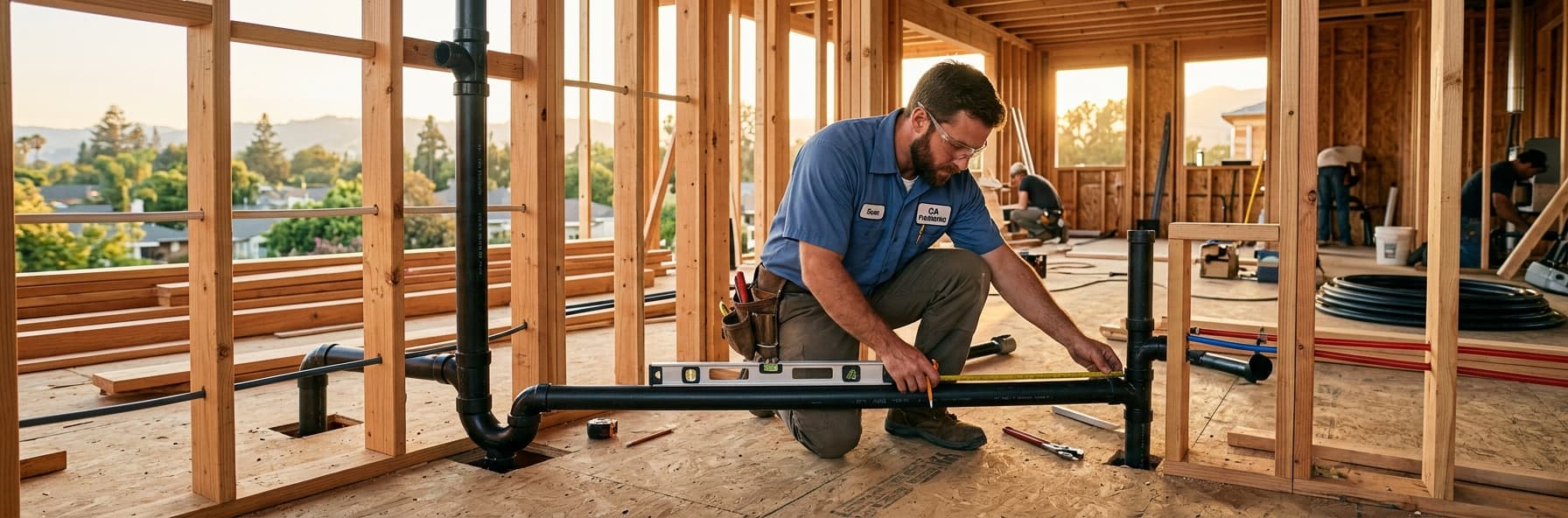
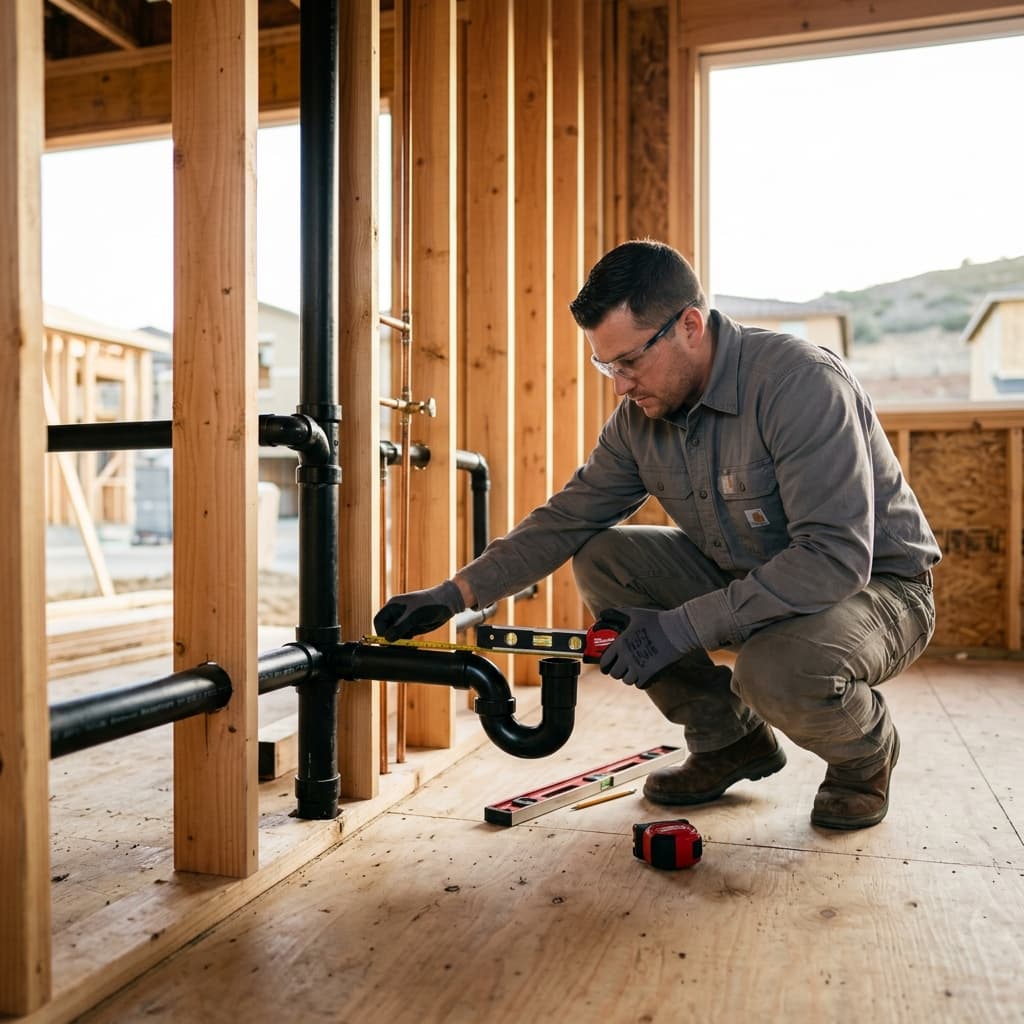
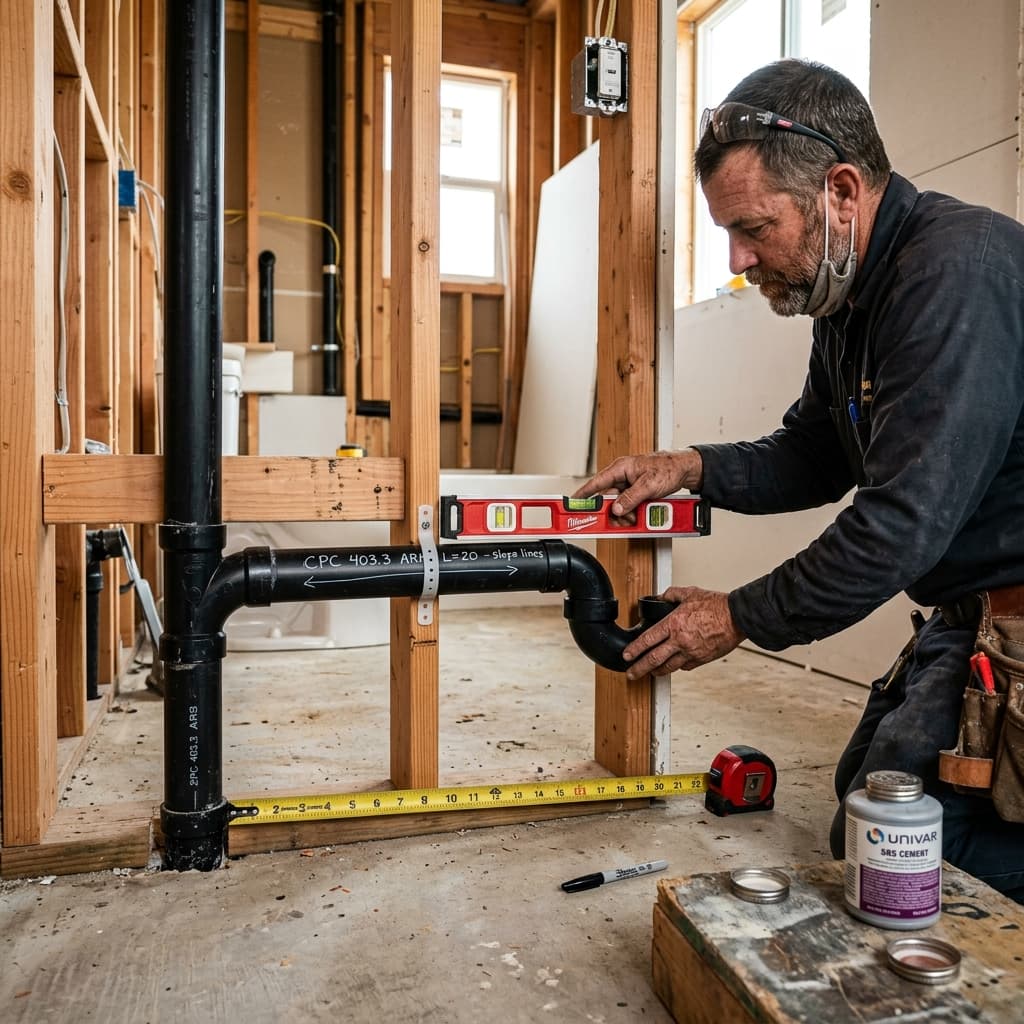
CPC Section 403 addresses trap arm slope and distance requirements with precision and clarity. A trap arm is the horizontal section of pipe between a fixture trap outlet and either the vent connection point or the main drainage stack. The code recognizes that improper trap arm configuration is one of the most common causes of trap seal loss, fixture failures, and unhygienic drainage conditions.
The primary concern with trap arms is self-siphonage and induced siphonage. Without proper slope and venting, water flowing through the trap arm creates negative pressure that pulls water out of the trap seal, allowing harmful sewer gases to enter the building.Key Definitions Under CPC Section 403
Trap Arm: The unvented section of pipe between the trap outlet and the vent connection, or between the trap outlet and the building drain/stack when no separate vent exists. Trap Weir: The crown of the trap—the highest point of the trap bend where water forms the critical seal. Slope: The vertical drop per horizontal distance, expressed as inches per foot or as a percentage.The 1/4-Inch-Per-Foot Minimum Slope Requirement
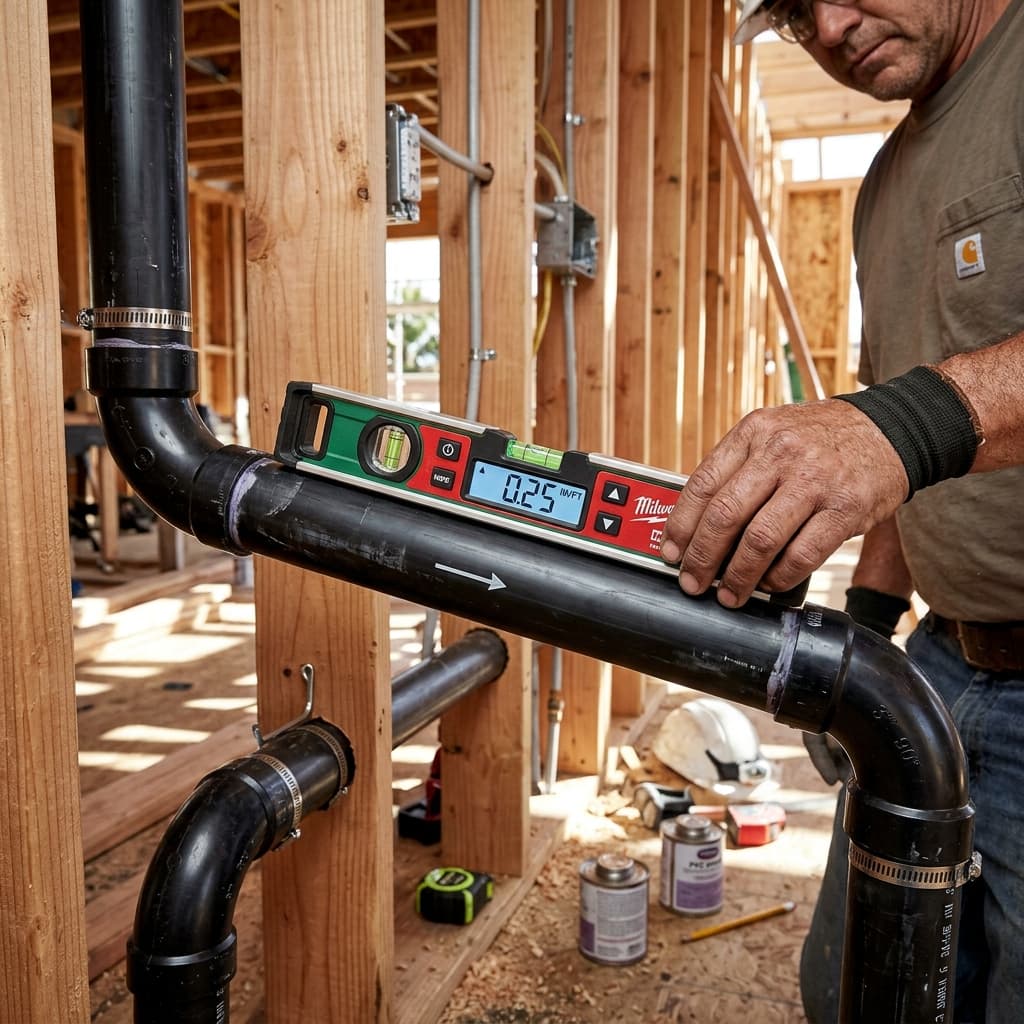
The most fundamental requirement under CPC Section 403 is the minimum slope of 1/4 inch per foot for all trap arms. This is non-negotiable and has no exceptions.Why 1/4 Inch Per Foot?
This slope achieves several critical objectives:
- Maintains drainage velocity: Ensures water moves with sufficient speed to prevent stagnation and sediment buildup
- Prevents backflow: The slope prevents standing water from flowing backward toward the fixture
- Supports solids transport: Solid waste materials move reliably through the pipe without jamming
- Minimizes siphon action: Reduces the velocity differential that creates negative pressure
Calculating Slope Compliance
To determine if a trap arm meets slope requirements:
Formula: Drop in inches ÷ Horizontal distance in feet = Required slope Example: A trap arm extends 8 feet horizontally from trap outlet to vent connection.- Required drop: 8 feet × 0.25 inches/foot = 2 inches minimum
- If the actual drop is 1.5 inches, the installation is non-compliant
Trap Arm Length and Distance Limitations
CPC Section 403 also establishes maximum trap arm lengths based on whether the trap arm is vented at its outlet.
Unvented Trap Arm Length Limits
When a trap arm connects directly to the building drain without an individual vent at the trap outlet, the maximum length is 2.5 times the pipe diameter. Examples:- 1.5-inch trap arm: Maximum 3.75 feet (2.5 × 1.5 inches)
- 2-inch trap arm: Maximum 5 feet (2.5 × 2 inches)
- 3-inch trap arm: Maximum 7.5 feet (2.5 × 3 inches)
- 4-inch trap arm: Maximum 10 feet (2.5 × 4 inches)
Vented Trap Arm Considerations
When a vent is installed at the trap outlet, the distance limitation becomes less restrictive, but slope requirements remain identical. The vent allows air to enter the trap arm, preventing vacuum formation and protecting the trap seal.
The Critical Relationship Between Trap Location and Vent Distance
Understanding the relationship between where a trap is located and where it can be vented is fundamental to CPC Section 403 compliance.
Distance from Trap Weir to Vent Connection
Key Rule: The distance from the trap weir to the vent connection point cannot exceed the maximum unvented distance for that pipe diameter.This creates a practical hierarchy:
- Trap outlet to vent connection: Measured along the trap arm centerline
- Maximum allowable distance: 2.5 times the trap arm diameter
- Slope requirement: Must maintain 1/4 inch per foot throughout the entire distance
Common Exam Scenario
A 1.5-inch trap arm serves a bathroom group. The trap outlet is located 4 feet from the vent tee. The installation:- Maximum allowed: 3.75 feet (2.5 × 1.5")
- Actual distance: 4 feet
- Code compliance: FAILS – exceeds maximum distance
Slope Direction and Grade Requirements
CPC Section 403 specifies not just the minimum slope, but the direction and consistency of that slope.
Uniform Downward Slope Requirement
The trap arm must slope continuously and uniformly downward in the direction of flow. This means:- No uphill sections: Water cannot flow uphill, even temporarily
- No flat sections: Even short horizontal runs violate the code
- No reversals: The slope cannot go down, then level out, then down again
- Consistent grade: The slope should be the same throughout (though steeper is acceptable)
Visual Understanding
Correct slope:
Trap → ↘ ↘ ↘ → Vent (continuous downward)
Incorrect slope:
Trap → ↘ → ↗ ↘ → Vent (level section or uphill section)
Practical Applications and Common Violations
Understanding code requirements in the field helps you answer application-based exam questions with confidence.
Bathroom Group Trap Arms
In residential installations, bathroom fixtures typically connect to a common trap arm before joining the building drain. CPC Section 403 applies to this configuration:
- The trap arm slopes at minimum 1/4 inch per foot
- Total length cannot exceed 2.5 times the pipe diameter
- If multiple fixtures feed one trap, the combined flow requires appropriate sizing
Kitchen Sink Trap Arms
Kitchen sinks with garbage disposers require specific attention:
- The trap arm must accommodate higher flow rates
- Slope becomes even more critical due to food waste transport requirements
- Many jurisdictions recommend 1/2 inch per foot slope for sink drains (exceeding the code minimum)
Island Fixture Installations
Island kitchens and vanities create unique challenges:
- The trap arm may be longer than typical, potentially exceeding the 2.5× maximum
- Individual vents become necessary, requiring compliance with both CPC Section 403 and CPC Section 802 vent sizing rules
- Horizontal vent runs must slope upward toward the main vent stack
The Relationship to Related Code Sections
CPC Section 403 doesn't operate in isolation. Understanding connections to related sections strengthens exam preparation.
Connection to CPC Section 308: Materials
CPC Section 308 material requirements affect trap arm construction. Different materials (PVC, copper, cast iron) have different roughness factors affecting flow capacity and slope effectiveness.Connection to CPC Section 802: Vent Sizing
When designing individual vents for trap arms, CPC Section 802 vent sizing requirements determine pipe diameter, which then affects the maximum unvented distance calculation. A larger vent may allow installation without violating Section 403.Connection to CPC Section 901: Building Drains
The building drain receiving the trap arm has its own slope requirements (minimum 1/4 inch per foot, similar to trap arms), ensuring continued compliance downstream.
Exam Strategy: Common CPC Section 403 Questions
Question Type 1: Slope Calculation
"A 1.5-inch trap arm extends 6 feet horizontally from trap outlet to vent connection with a measured drop of 1.75 inches. Does this comply with CPC Section 403?"
Solution:- Required slope: 0.25 inches/foot × 6 feet = 1.5 inches minimum
- Actual drop: 1.75 inches
- Answer: YES, complies (1.75 > 1.5)
Question Type 2: Maximum Distance
"What is the maximum unvented trap arm length for a 2-inch pipe?"
Solution:- Formula: Pipe diameter × 2.5
- 2 inches × 2.5 = 5 feet
- Answer: 5 feet maximum
Question Type 3: Application Scenario
"An island sink is 8 feet from the main vent stack. The trap arm is 2 inches. Can this be installed without an individual vent?"
Solution:- Maximum unvented distance: 2 inches × 2.5 = 5 feet
- Actual distance: 8 feet
- Answer: NO – requires individual vent installation
Best Practices for C-36 Exam Success
Study Tips
- Memorize the 2.5× multiplier: This is the key to unvented trap arm questions
- Practice slope calculations: Ensure you can quickly convert distances and slopes
- Sketch common scenarios: Drawing trap arms with slope indicators helps memory retention
- Review related sections: Understanding how 403 connects to 308, 802, and 901 shows holistic code knowledge
Test-Taking Strategy
- Identify the pipe diameter first: This determines the maximum distance calculation
- Check for vents: Vented vs. unvented configuration changes the rules
- Calculate slope twice: Verify your math to avoid careless errors
- Consider practical context: Real-world installations in the question often hint at the correct interpretation
Conclusion: Mastering CPC Section 403 for Exam Excellence
CPC Section 403 trap arm slope and distance requirements represent fundamental principles of sanitary drainage design. The 1/4-inch-per-foot minimum slope, 2.5× maximum unvented length, and distance-from-vent-to-trap-weir calculations are not arbitrary—they directly prevent trap seal loss and maintain healthy building systems.
By thoroughly understanding these requirements, you're not just preparing for the C-36 exam. You're developing the knowledge needed to design and inspect drainage systems that protect public health. Consistent practice with slope calculations, distance measurements, and application scenarios will build the confidence and competency required for exam success.
Remember: slope and distance work together in CPC Section 403. A sloped trap arm that's too long still fails. An appropriately-distanced trap arm without sufficient slope still fails. Both requirements must be satisfied simultaneously for code compliance.
---
Ready to Master Part 3? Practice additional drainage and venting scenarios with our complete C-36 exam prep guide or review related vent sizing requirements in our CPC Section 802 overview.